
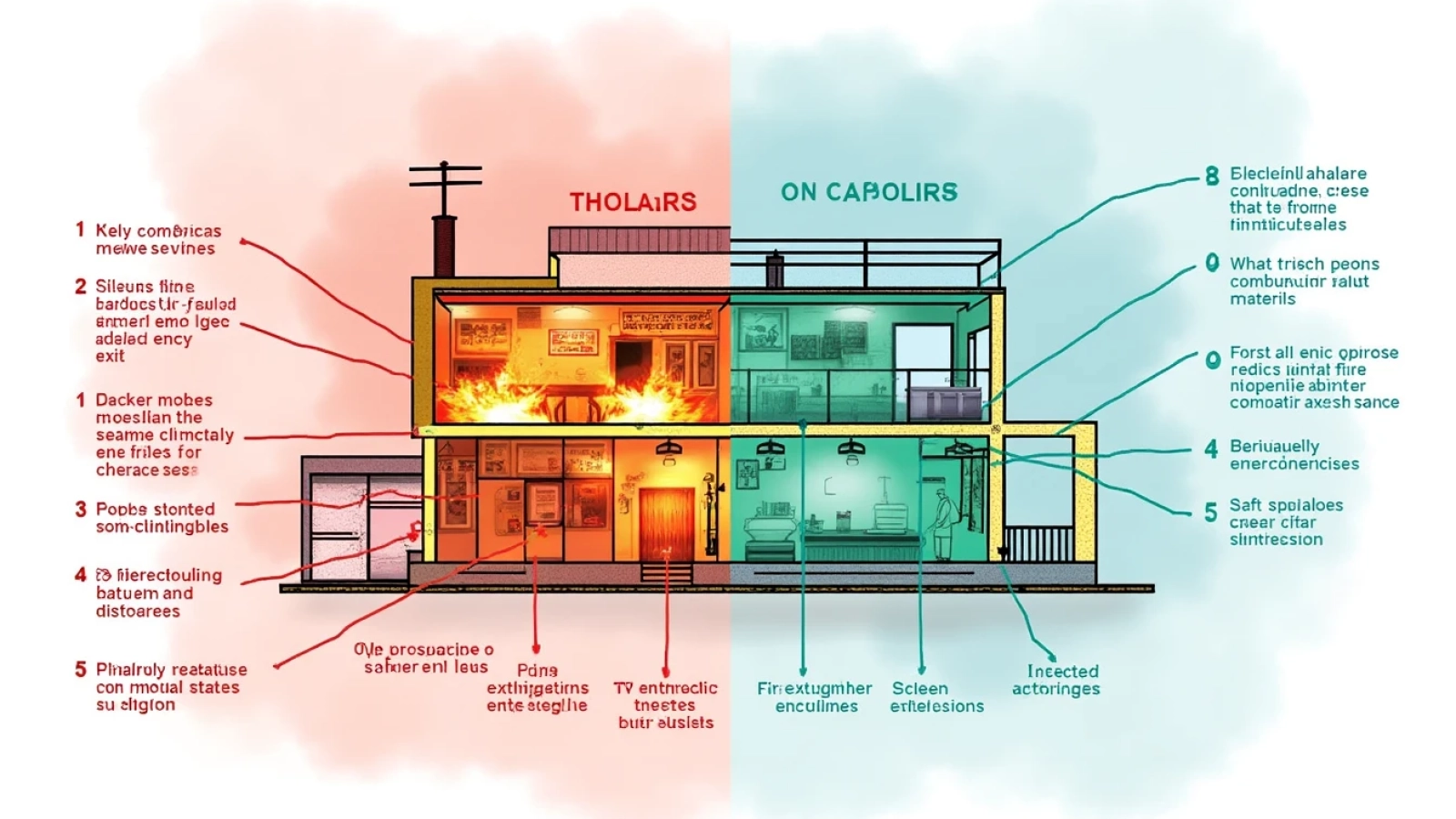
Fire hazards are a significant concern for commercial buildings, where the risk of fire can lead to devastating consequences, including loss of life, injuries, and extensive property damage. Understanding common fire hazards and implementing effective mitigation strategies is essential for ensuring the safety of employees and the integrity of the building. This blog post outlines some of the most prevalent fire hazards in commercial settings and provides practical tips for reducing these risks.
1. Electrical Equipment and Wiring
Hazard: Faulty wiring, overloaded circuits, and malfunctioning electrical equipment are among the leading causes of fires in commercial buildings. These issues can arise from outdated systems or improper use of electrical appliances.Mitigation Strategies:
- Regular Inspections: Conduct routine inspections of all electrical systems and equipment to identify and rectify any issues promptly.
- Avoid Overloading Circuits: Ensure that power outlets are not overloaded with multiple devices. Use power strips with surge protection when necessary.
- Upgrade Outdated Wiring: Replace old or damaged wiring to meet current safety standards.
2. Combustible Materials
Hazard: The accumulation of combustible materials such as paper, cardboard, and trash can provide fuel for fires, especially if stored improperly or near heat sources.Mitigation Strategies:
- Maintain Cleanliness: Regularly clean workspaces to remove unnecessary combustible materials. Implement a waste disposal plan that encourages timely removal of trash.
- Proper Storage: Store combustible materials away from heat sources and ensure they are kept in designated areas that comply with fire safety regulations.
3. Kitchen Areas
Hazard: Commercial kitchens are high-risk areas due to the use of cooking oils, heat-producing equipment, and open flames. Kitchen fires often result from grease buildup or unattended cooking.Mitigation Strategies:
- Install Proper Equipment: Use Class K fire extinguishers specifically designed for kitchen fires and ensure that all cooking equipment is compliant with safety standards.
- Regular Cleaning: Schedule routine cleaning of kitchen hoods, ducts, and filters to prevent grease accumulation.
- Train Staff: Provide fire safety training for kitchen staff on safe cooking practices and emergency procedures.
4. Blocked Emergency Exits
Hazard: Blocked or poorly marked emergency exits can hinder evacuation during a fire emergency, putting lives at risk.Mitigation Strategies:
- Clear Pathways: Regularly inspect exit routes to ensure they are unobstructed by furniture or storage items.
- Signage and Lighting: Install clear signage indicating exit locations and ensure that emergency lighting is functional to guide occupants during an evacuation.
5. Improper Use of Extension Cords
Hazard: Overreliance on extension cords can lead to overheating and electrical fires, especially when used improperly or for extended periods.Mitigation Strategies:
- Limit Use: Use extension cords only as a temporary solution and avoid daisy-chaining multiple cords together.
- Educate Employees: Train staff on the proper use of extension cords, emphasizing manufacturer guidelines and safety practices.
6. Heating Equipment
Hazard: Portable heaters, boilers, and furnaces can become fire hazards if not maintained correctly or if placed too close to flammable materials.Mitigation Strategies:
- Regular Maintenance: Schedule regular maintenance checks for all heating equipment to ensure they are functioning safely.
- Safe Placement: Keep heating devices at a safe distance from combustible materials and ensure proper ventilation.
7. Inadequate Fire Detection Systems
Hazard: A lack of functioning smoke detectors or fire alarms can delay response times during an emergency, allowing fires to spread unchecked.Mitigation Strategies:
- Install Fire Alarms and Sprinklers: Ensure that your building is equipped with properly installed and maintained fire alarm systems and sprinkler systems throughout the facility.
- Regular Testing and Maintenance: Conduct regular tests on all fire detection systems to confirm they are operational and replace any faulty units immediately.
Conclusion
Identifying common fire hazards in commercial buildings is crucial for implementing effective fire prevention strategies. By addressing these risks through regular inspections, employee training, proper storage practices, and maintaining functional fire detection systems, businesses can significantly reduce the likelihood of fire incidents.Prioritizing fire safety not only protects lives but also safeguards property and minimizes potential financial losses due to fire-related damages. For professional assistance in assessing your facility’s fire risks or developing a comprehensive fire safety plan, contact Fire Risk Solutions today!
FAQs
- What are the most common causes of fires in commercial buildings?
Common causes include electrical malfunctions, improper storage of combustible materials, kitchen equipment failures, and blocked emergency exits. - How often should I inspect my building for fire hazards?
Regular inspections should be conducted at least annually; however, high-risk areas like kitchens may require more frequent checks. - What should I do if I find blocked emergency exits?
Immediately clear any obstructions from emergency exits and ensure that all staff members are aware of exit routes during emergencies. - How can I educate my employees about fire safety?
Provide regular training sessions on identifying hazards, using fire extinguishers, and following evacuation procedures during drills. - Are there specific regulations regarding fire safety in commercial buildings?
Yes, local fire codes outline requirements for fire detection systems, exit routes, maintenance practices, and employee training that must be followed to ensure safety compliance.
Leave A Comment