

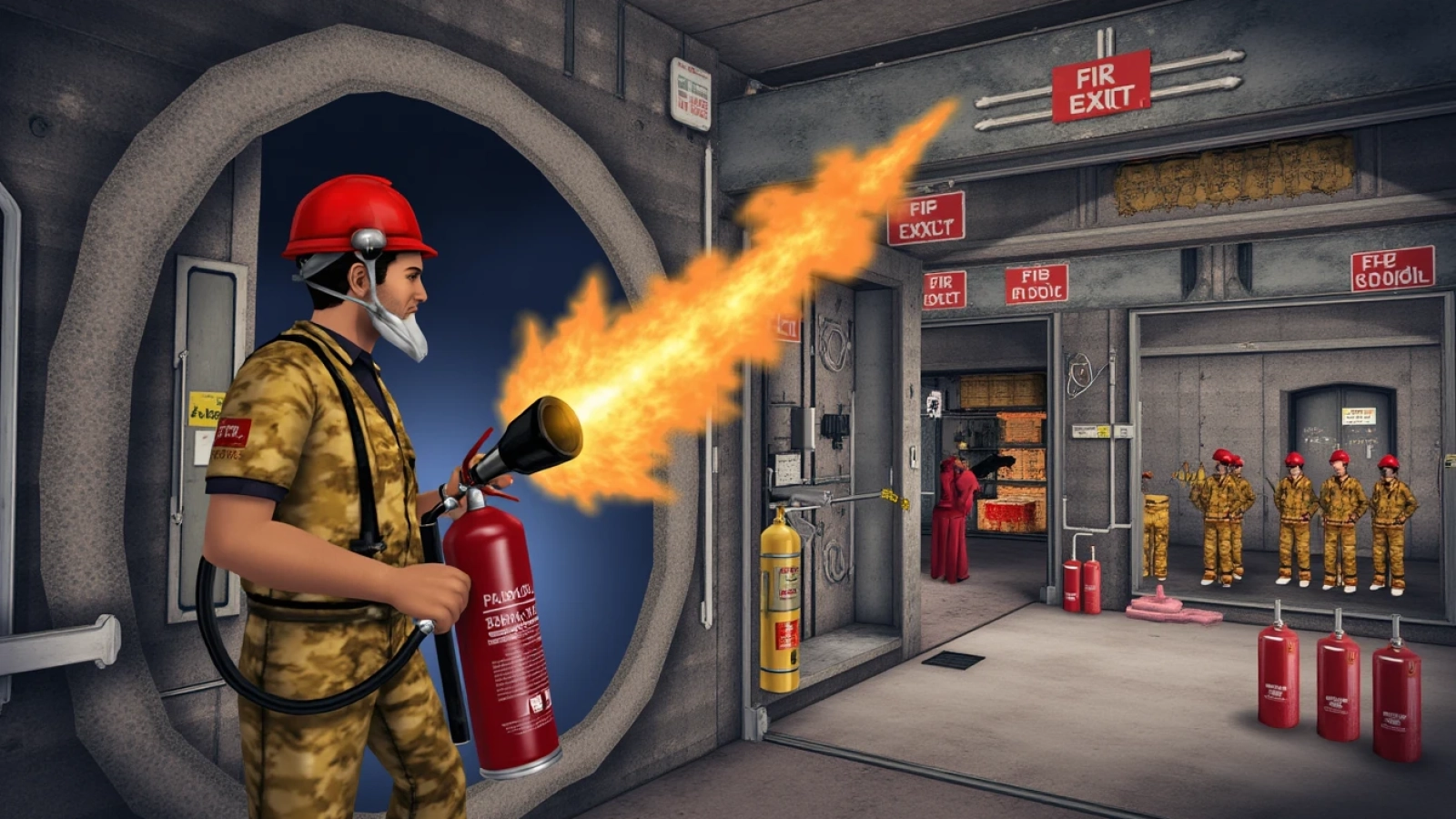
The mining sector is inherently hazardous, with unique challenges that make fire safety a critical concern. The combination of flammable materials, heavy machinery, and confined working environments increases the risk of fire incidents. To mitigate these risks effectively, mining operations require customized fire safety solutions tailored to their specific needs. This blog post will explore best practices and strategies for implementing effective fire safety measures in the mining industry.
Understanding the Risks
Mining environments present various fire hazards, including:
- Flammable Materials: The presence of combustible dust, fuels, and lubricants can easily ignite under certain conditions.
- Electrical Equipment: Faulty wiring and overloaded circuits are common causes of fires in mining operations.
- Hot Work Operations: Activities such as welding and cutting can generate sparks that ignite nearby flammable materials.
- Confined Spaces: Underground mines have limited escape routes, making it crucial to have effective fire prevention and response strategies in place.
Best Practices for Fire Safety in Mining
- Conduct Thorough Risk AssessmentsA comprehensive risk assessment is the foundation of any effective fire safety plan. It involves identifying potential fire hazards specific to the mining site, including equipment, materials, and operational practices. Engaging a fire protection expert can help ensure that no hazards are overlooked.
- Evaluate Specific Risks: Different types of mines (surface vs. underground) may have varying risks. Tailor assessments to address these differences.
- Understand Compliance and Regulatory RequirementsCompliance with local regulations is not only a legal obligation but also a critical aspect of ensuring safety. Familiarize yourself with the health and safety standards that govern fire protection in your jurisdiction.
- Stay Updated: Regulations can change; regular reviews of compliance requirements ensure that your operations remain within legal boundaries.
- Implement Appropriate Fire Protection EquipmentSelecting and installing the right fire protection equipment is vital for effective fire management. Depending on the specific risks identified, this may include:
- Fire Sprinkler Systems: Essential for controlling fires in areas with high combustible loads.
- Water Mist Systems: Effective for cooling and suppressing flames without causing water damage.
- Foam Systems: Particularly useful for flammable liquid fires.
- Portable Fire Extinguishers: Strategically placed throughout the site for quick access.
- Automatic Detection Systems: Utilizing smoke detectors, heat sensors, and gas detection units to provide early warning of potential fires.
- Regular Audits and MaintenanceFire protection equipment must be maintained to ensure its effectiveness. Regular audits help identify any deficiencies or needed repairs.
- Schedule Inspections: Conduct routine checks on all fire protection systems to ensure they are operational.
- Maintain Cleanliness: Regularly clean equipment and work areas to minimize dust accumulation that could contribute to fire hazards.
- Train Employees on Fire Safety ProtocolsTraining is one of the most critical components of a successful fire safety strategy. Employees should be well-versed in emergency procedures, proper use of firefighting equipment, and evacuation routes.
- Tailored Training Programs: Develop training sessions specific to the mining environment, focusing on scenarios relevant to your operations.
- Conduct Drills: Regularly practice evacuation procedures to ensure all personnel know how to respond in an emergency.
- Establish Emergency Response PlansHaving a clear emergency response plan is essential for minimizing the impact of a fire incident. This plan should outline roles and responsibilities during an emergency, evacuation routes, and communication protocols.
- Designate Assembly Points: Identify safe locations where employees can gather after evacuating.
- Communication Systems: Implement reliable communication tools to ensure coordination during emergencies.
Conclusion
Customized fire safety solutions are essential for mitigating risks in the mining sector. By conducting thorough risk assessments, understanding compliance requirements, implementing appropriate equipment, maintaining regular audits, training employees, and establishing robust emergency response plans, mining operations can significantly enhance their fire safety measures.Investing in these best practices not only protects lives but also ensures operational continuity in an industry where safety is paramount. For expert guidance on developing customized fire safety solutions for your mining operation, contact Fire Risk Solutions today!
FAQs
- What are common causes of fires in mines?
Common causes include electrical faults, hot work operations (like welding), flammable materials mishandling, and spontaneous combustion of materials like coal. - How often should fire safety training be conducted?
Fire safety training should be conducted at least annually or whenever there are significant changes in personnel or procedures at the mine site. - What types of fire suppression systems are recommended for mining operations?
Recommended systems include water mist systems, foam suppression systems, automatic sprinkler systems, and portable extinguishers tailored to specific risks. - Why is regular maintenance important for fire protection equipment?
Regular maintenance ensures that all equipment functions correctly during an emergency; neglected equipment may fail when needed most. - What should be included in an emergency response plan for mines?
An effective plan should include evacuation routes, designated assembly points, communication protocols, roles during emergencies, and training procedures for all employees.
Leave A Comment