

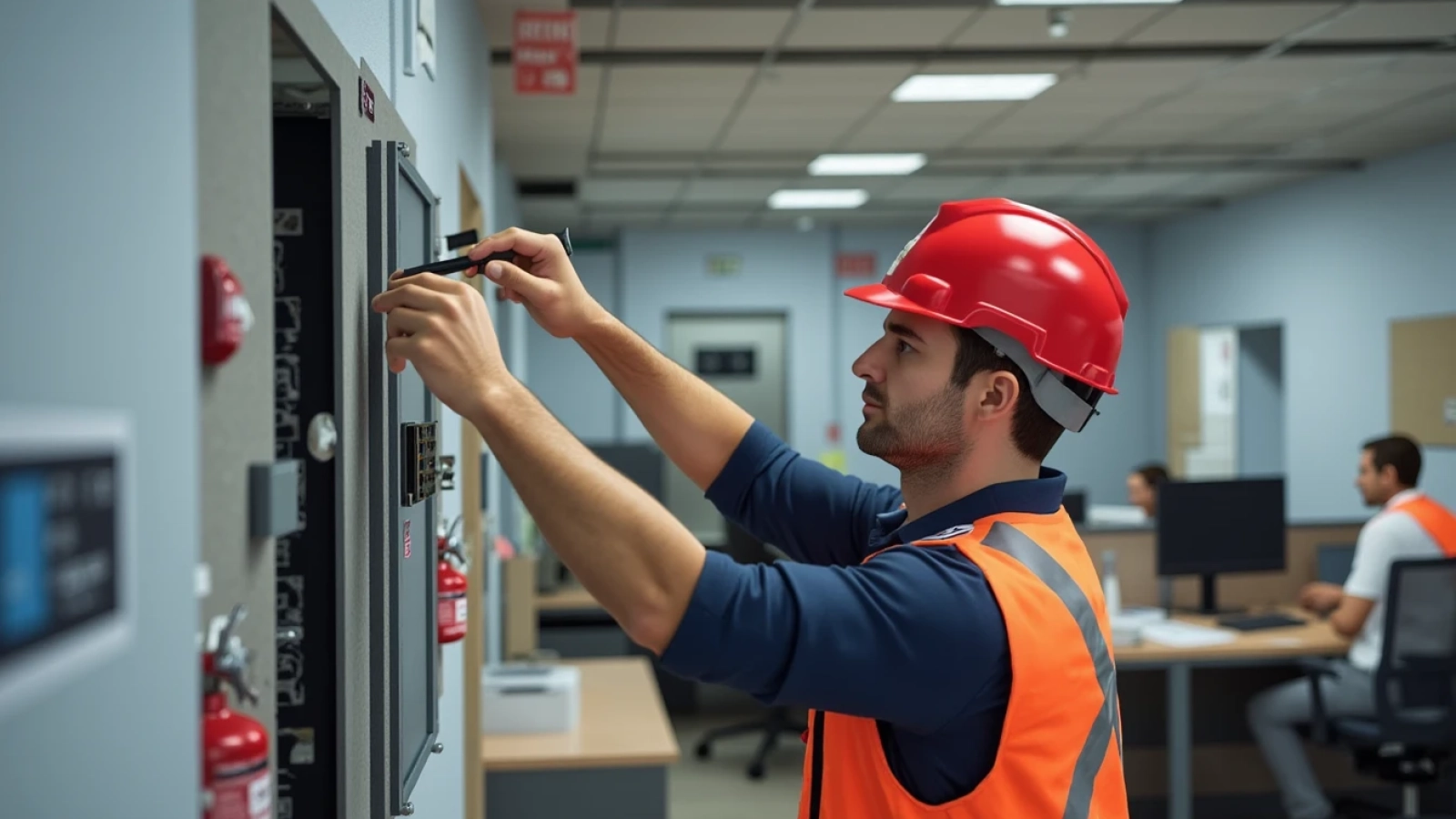
A fire risk assessment is essential for businesses to identify potential hazards and ensure safety. They not only protect lives but also safeguard property and ensure compliance with legal requirements. This comprehensive guide will walk you through the essentials of fire risk assessments, including their importance, the assessment process, and frequently asked questions.
What is a Fire Risk Assessment?
A fire risk assessment is a systematic evaluation of your premises to identify potential fire hazards, assess the risks to people and property, and implement measures to minimize or eliminate those risks. This process involves understanding how a fire could start, who might be at risk, and what can be done to prevent it.
Why Conduct a Fire Risk Assessment?
- Legal Requirement: Under the Regulatory Reform (Fire Safety) Order 2005 in the UK, all businesses are legally required to conduct fire risk assessments. Failing to do so can result in significant fines or even imprisonment.
- Safety: A thorough assessment helps protect employees, customers, and visitors by identifying hazards and implementing safety measures.
- Business Continuity: Effective fire prevention strategies can save businesses from devastating losses due to fire incidents. Many businesses do not recover after a significant fire.
- Insurance Compliance: Insurance companies often require proof of a fire risk assessment to process claims related to fire damage.
The Fire Risk Assessment Process
Conducting a fire risk assessment typically involves five key steps:
- Identify Fire Hazards: Look for potential sources of ignition (e.g., electrical equipment, flammable materials) and assess how they could cause a fire.
- Identify People at Risk: Consider who might be affected by a fire, including employees, visitors, and vulnerable individuals such as children or those with disabilities.
- Evaluate Risks: Assess the likelihood of a fire starting and the potential impact on people and property. Determine what measures can be taken to reduce these risks.
- Record Findings: Document your findings in a written report. If your business has five or more employees, this record is legally required. Include an emergency plan and training information for staff.
- Review Regularly: Fire risk assessments should be reviewed annually or whenever there are significant changes to the premises or operations that could affect fire safety.
Frequently Asked Questions (FAQs)
- Who is responsible for conducting a fire risk assessment?
The “Responsible Person” within an organization—usually the employer or owner—must ensure that a competent person conducts the assessment. - How often should a fire risk assessment be conducted?
Assessments should be reviewed at least annually or whenever there are changes in the premises that could affect safety. - Can I conduct my own fire risk assessment?
While small businesses may perform their own assessments if they have sufficient knowledge, it’s often advisable to hire a trained professional for thorough evaluations. - What happens after the assessment?
After completing the assessment, you will receive a report detailing findings and recommendations for improving fire safety measures. It’s crucial to implement these suggestions promptly. - Are there specific legal requirements for fire risk assessments?
Yes, under UK law, all non-domestic premises must have a written fire risk assessment if they employ five or more people or are licensed under specific regulations. - What should I include in my emergency plan?
Your emergency plan should include evacuation routes, assembly points, communication procedures, and roles for staff during an emergency. - How long does a fire risk assessment take?
The duration varies based on property size; smaller premises may take around four hours, while larger ones could require an entire day. - What if my business fails to comply with fire safety regulations?
Non-compliance can lead to legal penalties, including fines and potential closure of your business until safety measures are implemented.
Conclusion
Understanding and implementing effective fire risk assessments is essential for every business. Not only do they fulfill legal obligations, but they also play a vital role in ensuring the safety of everyone on your premises. By following the outlined steps and regularly reviewing your assessments, you can significantly reduce fire risks and protect your business from potential disasters.
Leave A Comment