

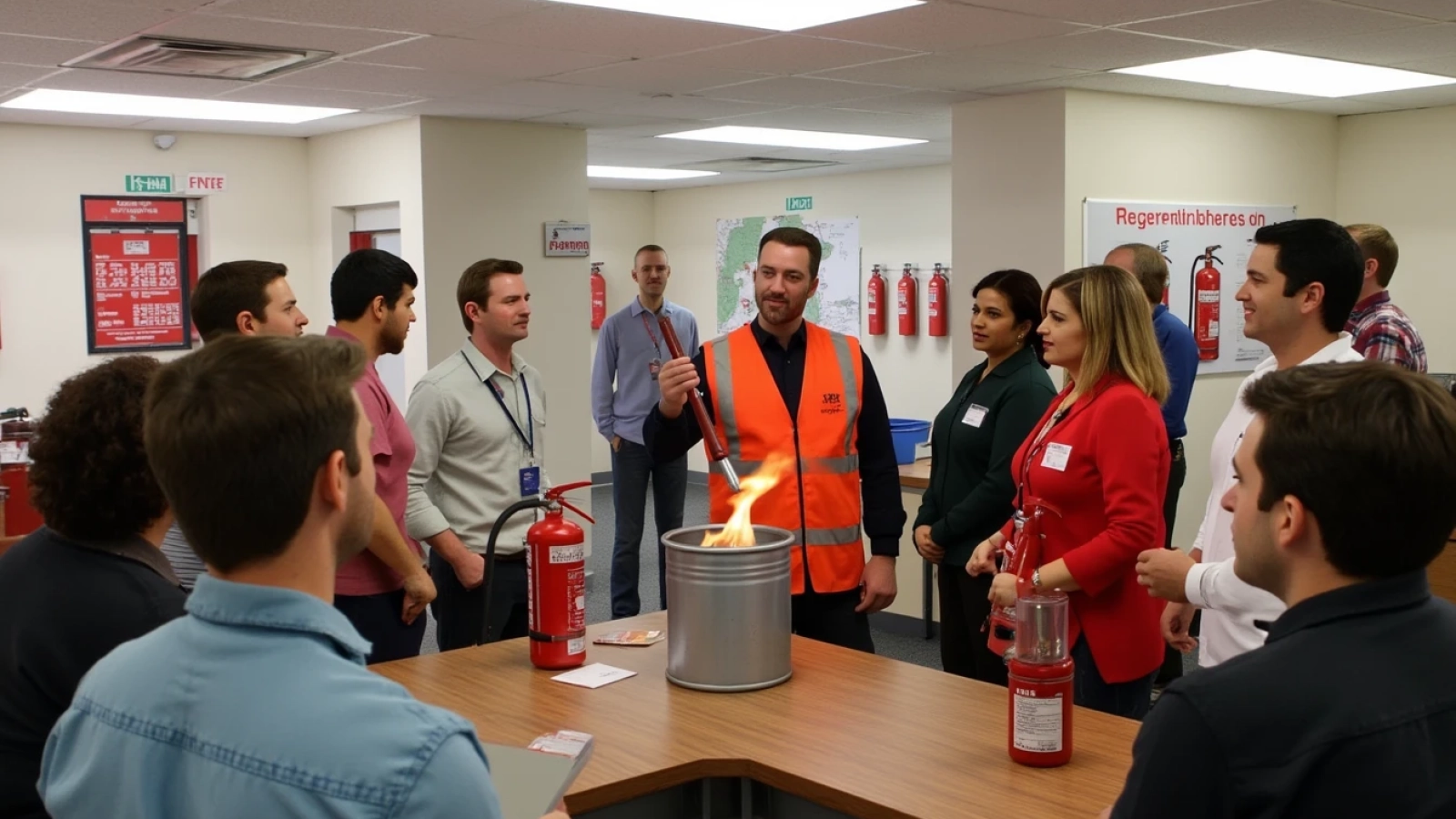
In any workplace, the safety of employees is paramount, and being prepared for emergencies is a crucial aspect of that safety. Fire safety training equips employees with the knowledge and skills necessary to respond effectively in the event of a fire. This blog post explores the importance of fire safety training, what it entails, and how it empowers employees to act decisively during emergencies.
Why Fire Safety Training is Essential
- Enhances Awareness
Fire safety training raises awareness about potential fire hazards within the workplace. Employees learn to identify risks, such as faulty electrical equipment, flammable materials, and unsafe practices that could lead to a fire. - Improves Response Time
In an emergency, every second counts. Training ensures that employees know exactly what steps to take when a fire occurs, from activating alarms to evacuating the premises. This preparedness can significantly reduce response time and minimize harm. - Reduces Panic and Confusion
A well-prepared workforce is less likely to panic during a fire emergency. Fire safety training instills confidence in employees, enabling them to remain calm and focused on executing the escape plan rather than succumbing to fear or confusion. - Promotes Teamwork
Fire safety training fosters a sense of teamwork among employees. By practicing evacuation procedures together, staff members learn to support one another during emergencies, ensuring that everyone is accounted for and safe. - Compliance with Regulations
Many jurisdictions require businesses to provide fire safety training as part of their compliance with health and safety regulations. Regular training not only keeps employees safe but also helps organizations avoid legal penalties.
Key Components of Effective Fire Safety Training
To ensure that fire safety training is effective, it should encompass several key components:
- Understanding Fire Types and Hazards
Employees should be educated about different types of fires (Class A, B, C, etc.) and the specific hazards associated with each type. This knowledge helps them understand how to respond appropriately. - Fire Prevention Strategies
Training should include information on how to prevent fires in the workplace, such as proper storage of flammable materials, maintaining electrical equipment, and following safe work practices. - Use of Fire Extinguishers
Hands-on training on how to use fire extinguishers correctly is essential. Employees should practice using extinguishers on simulated fires to build confidence in their ability to act if needed. - Evacuation Procedures
Employees must be familiar with the facility’s evacuation routes and procedures. Conducting regular drills reinforces these procedures and ensures everyone knows where to go in case of an emergency. - Roles and Responsibilities
Clearly define roles for employees during a fire emergency, such as fire wardens or designated helpers for individuals with disabilities. This clarity helps streamline the evacuation process.
Implementing a Fire Safety Training Program
To create an effective fire safety training program:
- Assess Your Needs: Evaluate your workplace’s specific risks and regulatory requirements to tailor the training program accordingly.
- Engage Qualified Trainers: Hire experienced professionals or certified trainers who can deliver comprehensive fire safety education.
- Schedule Regular Training Sessions: Conduct training sessions at least annually, with additional sessions for new hires or when significant changes occur in the workplace.
- Utilize Various Training Methods: Incorporate a mix of classroom instruction, hands-on practice, and interactive simulations to cater to different learning styles.
- Evaluate Effectiveness: After each training session or drill, gather feedback from participants to identify areas for improvement in your program.
Conclusion
Fire safety training is an essential investment in your workforce’s safety and well-being. By empowering employees with knowledge and skills, you create a culture of preparedness that can save lives during emergencies. Regular training not only enhances awareness but also fosters teamwork and compliance with regulations.For assistance in developing or implementing a comprehensive fire safety training program tailored to your facility’s needs, contact Fire Risk Solutions today!
FAQs
- How often should fire safety training be conducted?
It is recommended to conduct fire safety training at least once a year, with additional sessions for new hires or after significant changes in the workplace. - What topics should be covered in fire safety training?
Topics should include understanding fire hazards, prevention strategies, proper use of fire extinguishers, evacuation procedures, and roles during emergencies. - Can I conduct fire safety training in-house?
While some basic training can be done internally by knowledgeable staff members, hiring qualified trainers ensures comprehensive education on all aspects of fire safety. - What are some effective methods for delivering fire safety training?
Effective methods include classroom instruction, hands-on demonstrations, interactive simulations, and regular drills to reinforce learning. - How can I measure the effectiveness of my fire safety training program?
Gather feedback from participants after each session or drill and assess their understanding through quizzes or practical evaluations to identify areas for improvement.
By prioritizing fire safety training within your organization, you empower your employees to act decisively during emergencies while fostering a safer working environment for everyone involved
Leave A Comment