
Ensuring health and safety compliance in commercial buildings is not just a legal obligation; it is crucial for protecting lives and property from the devastating effects of fire. Fire regulations are designed to minimize risks and ensure that safety measures are in place to prevent fire incidents. This blog post will explore essential fire regulations, common violations, and best practices for maintaining compliance.
Understanding Fire Regulations
Fire regulations vary by region but generally encompass guidelines established by national and local authorities. Key organizations involved in setting these standards include:
- National Fire Protection Association (NFPA): This organization develops codes and standards aimed at reducing the risk of fire and ensuring safety in various environments.
- Occupational Safety and Health Administration (OSHA): OSHA sets regulations to ensure safe working conditions, including requirements for fire safety measures in workplaces.
- Local Fire Marshals: Local authorities enforce fire codes specific to their jurisdictions, conducting inspections to ensure compliance.
Essential Fire Regulations
Here are some of the critical fire regulations that businesses must adhere to:
- Installation of Fire Alarm Systems: Buildings must have functional fire alarm systems that provide early warning in case of a fire. Regular testing and maintenance of these systems are required to ensure they operate effectively.
- Fire Sprinkler Systems: Many commercial buildings are mandated to install automatic sprinkler systems. These systems must be regularly inspected and maintained to ensure they can control or extinguish fires effectively.
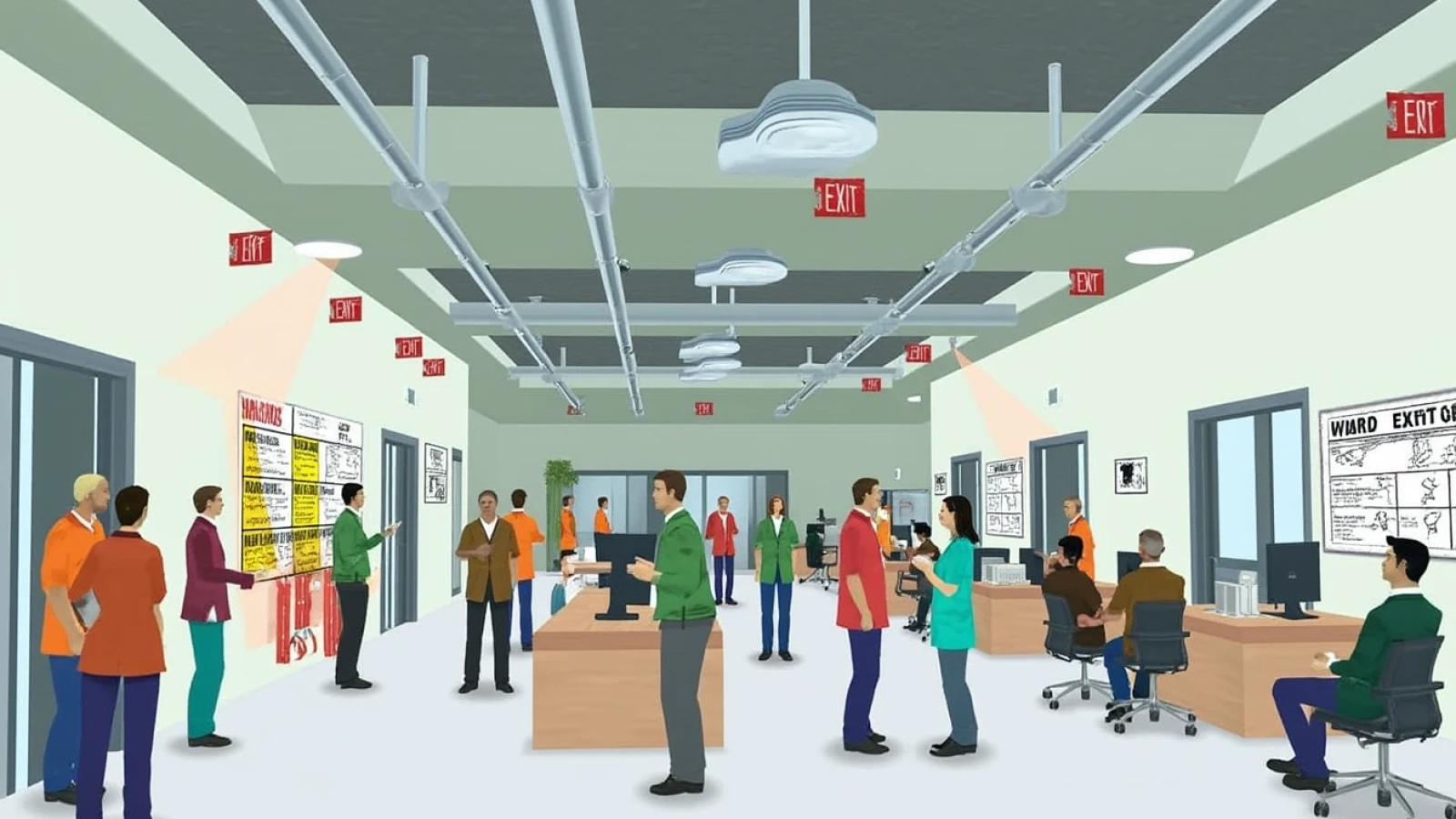
- Emergency Exits and Lighting: All commercial buildings must have clearly marked emergency exits that are accessible at all times. Emergency lighting should be installed to guide occupants during an evacuation, especially in low-light conditions.
- Fire Extinguishers: Adequate numbers of appropriate fire extinguishers must be provided throughout the building, with regular inspections to ensure they are charged and functional.
- Regular Fire Safety Inspections: Businesses are required to conduct regular fire safety inspections to identify potential hazards and ensure compliance with fire codes. Documentation of these inspections should be maintained for review by local authorities.
Common Fire Code Violations
Despite the existence of regulations, many businesses fall short in compliance, leading to common violations that can jeopardize safety:
- Blocked Emergency Exits: Exit routes must remain clear at all times. Obstructions can prevent occupants from evacuating safely during a fire emergency.
- Inadequate Fire Alarm Systems: Outdated or improperly maintained fire alarms can fail to alert occupants in time, increasing the risk of injury or loss.
- Improper Storage of Combustible Materials: Flammable materials must be stored correctly away from heat sources to reduce the risk of ignition.
- Lack of Fire Safety Training: Employees must receive proper training on fire safety protocols, including evacuation procedures and the use of fire extinguishers.
- Defective Electrical Systems: Regular inspections of electrical systems are necessary to prevent overloads that can lead to fires.
Best Practices for Compliance
To navigate health and safety compliance effectively, consider implementing these best practices:
- Conduct Regular Training Sessions: Provide ongoing training for employees on fire safety protocols, emergency procedures, and the proper use of firefighting equipment.
- Establish a Fire Safety Plan: Develop a comprehensive fire safety plan that outlines evacuation routes, designated assembly points, and roles for employees during emergencies.
- Work with Professionals: Consult with fire protection professionals or local fire authorities to ensure your facility meets all regulatory requirements and best practices.
- Maintain Documentation: Keep thorough records of all inspections, maintenance activities, and training sessions related to fire safety compliance.
- Stay Informed About Changes in Regulations: Regularly review local fire codes and regulations to stay updated on any changes that may affect your business.
Conclusion
Navigating health and safety compliance regarding fire regulations is essential for protecting lives and property within commercial buildings. By understanding the key regulations, recognizing common violations, and implementing best practices for compliance, businesses can create a safer environment for employees and customers alike.For assistance with developing a comprehensive fire safety plan or ensuring compliance with local regulations, contact Fire Risk Solutions today!
FAQs
- What are the primary agencies responsible for enforcing fire safety regulations?
The National Fire Protection Association (NFPA), Occupational Safety and Health Administration (OSHA), and local fire marshals enforce various aspects of fire safety regulations. - How often should fire safety inspections be conducted?
Inspections should be conducted regularly—at least annually—and more frequently if significant changes occur within the building or its use. - What should I do if I find blocked emergency exits?
Immediately clear any obstructions from emergency exits and ensure that all staff members are aware of exit routes during emergencies. - Are there specific training requirements for employees regarding fire safety?
Yes, employees should receive regular training on evacuation procedures, proper use of firefighting equipment, and identifying potential hazards. - How can I stay updated on changes in local fire codes?
Regularly consult your local fire department or visit their website for updates on regulations applicable to your business or facility.
Leave A Comment