Navigating Health and Safety Compliance: Essential Fire Regulations Explained

Navigating Health and Safety Compliance: Essential Fire Regulations Explained

Ensuring health and safety compliance in commercial buildings is not just a legal obligation; it is crucial for protecting lives and property from the devastating effects of fire. Fire regulations are designed to minimize risks and ensure that safety measures are in place to prevent fire incidents. This blog post will explore essential fire regulations, common violations, and best practices for maintaining compliance.

Understanding Fire Regulations

Fire regulations vary by region but generally encompass guidelines established by national and local authorities. Key organizations involved in setting these standards include:

  • National Fire Protection Association (NFPA): This organization develops codes and standards aimed at reducing the risk of fire and ensuring safety in various environments.
  • Occupational Safety and Health Administration (OSHA): OSHA sets regulations to ensure safe working conditions, including requirements for fire safety measures in workplaces.
  • Local Fire Marshals: Local authorities enforce fire codes specific to their jurisdictions, conducting inspections to ensure compliance.

Essential Fire Regulations

Here are some of the critical fire regulations that businesses must adhere to:

  1. Installation of Fire Alarm Systems: Buildings must have functional fire alarm systems that provide early warning in case of a fire. Regular testing and maintenance of these systems are required to ensure they operate effectively.
  2. Fire Sprinkler Systems: Many commercial buildings are mandated to install automatic sprinkler systems. These systems must be regularly inspected and maintained to ensure they can control or extinguish fires effectively.
  3. Emergency Exits and Lighting: All commercial buildings must have clearly marked emergency exits that are accessible at all times. Emergency lighting should be installed to guide occupants during an evacuation, especially in low-light conditions.
  4. Fire Extinguishers: Adequate numbers of appropriate fire extinguishers must be provided throughout the building, with regular inspections to ensure they are charged and functional.
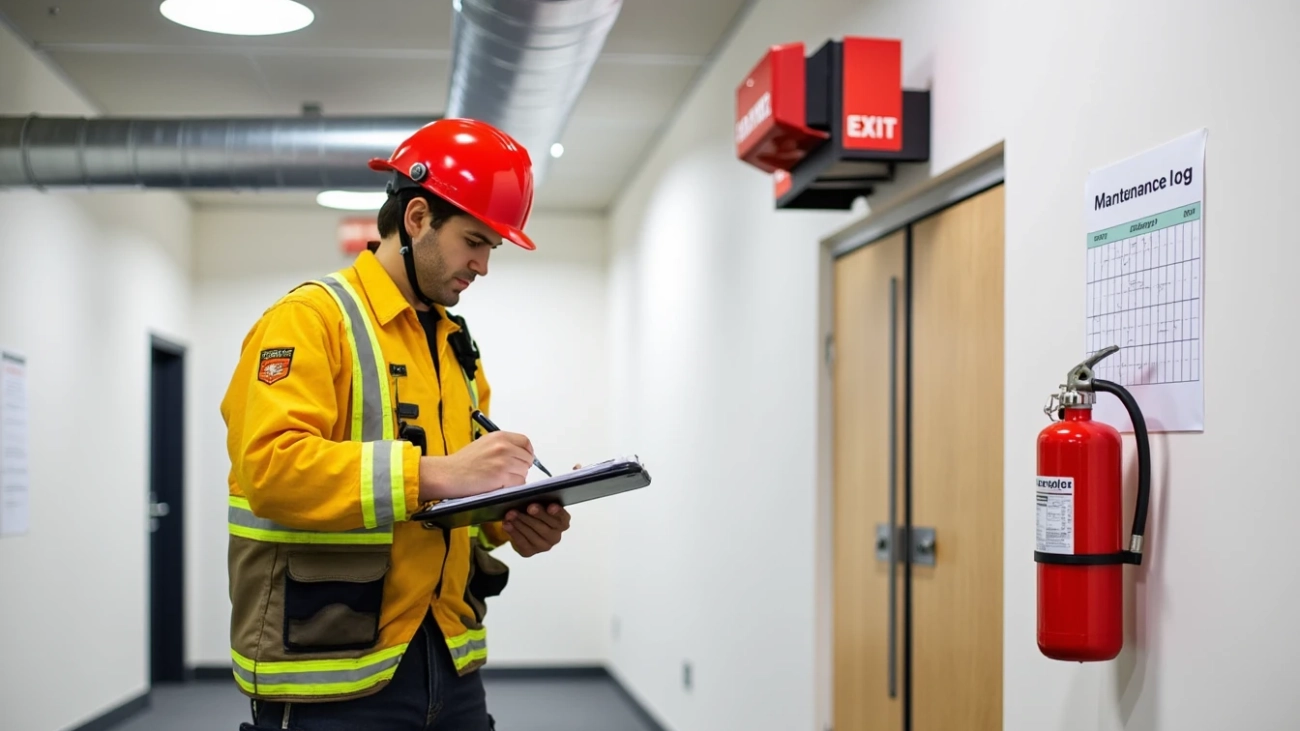
  5. Regular Fire Safety Inspections: Businesses are required to conduct regular fire safety inspections to identify potential hazards and ensure compliance with fire codes. Documentation of these inspections should be maintained for review by local authorities.

Common Fire Code Violations

Despite the existence of regulations, many businesses fall short in compliance, leading to common violations that can jeopardize safety:

  1. Blocked Emergency Exits: Exit routes must remain clear at all times. Obstructions can prevent occupants from evacuating safely during a fire emergency.
  2. Inadequate Fire Alarm Systems: Outdated or improperly maintained fire alarms can fail to alert occupants in time, increasing the risk of injury or loss.
  3. Improper Storage of Combustible Materials: Flammable materials must be stored correctly away from heat sources to reduce the risk of ignition.
  4. Lack of Fire Safety Training: Employees must receive proper training on fire safety protocols, including evacuation procedures and the use of fire extinguishers.
  5. Defective Electrical Systems: Regular inspections of electrical systems are necessary to prevent overloads that can lead to fires.

Best Practices for Compliance

To navigate health and safety compliance effectively, consider implementing these best practices:

  1. Conduct Regular Training Sessions: Provide ongoing training for employees on fire safety protocols, emergency procedures, and the proper use of firefighting equipment.
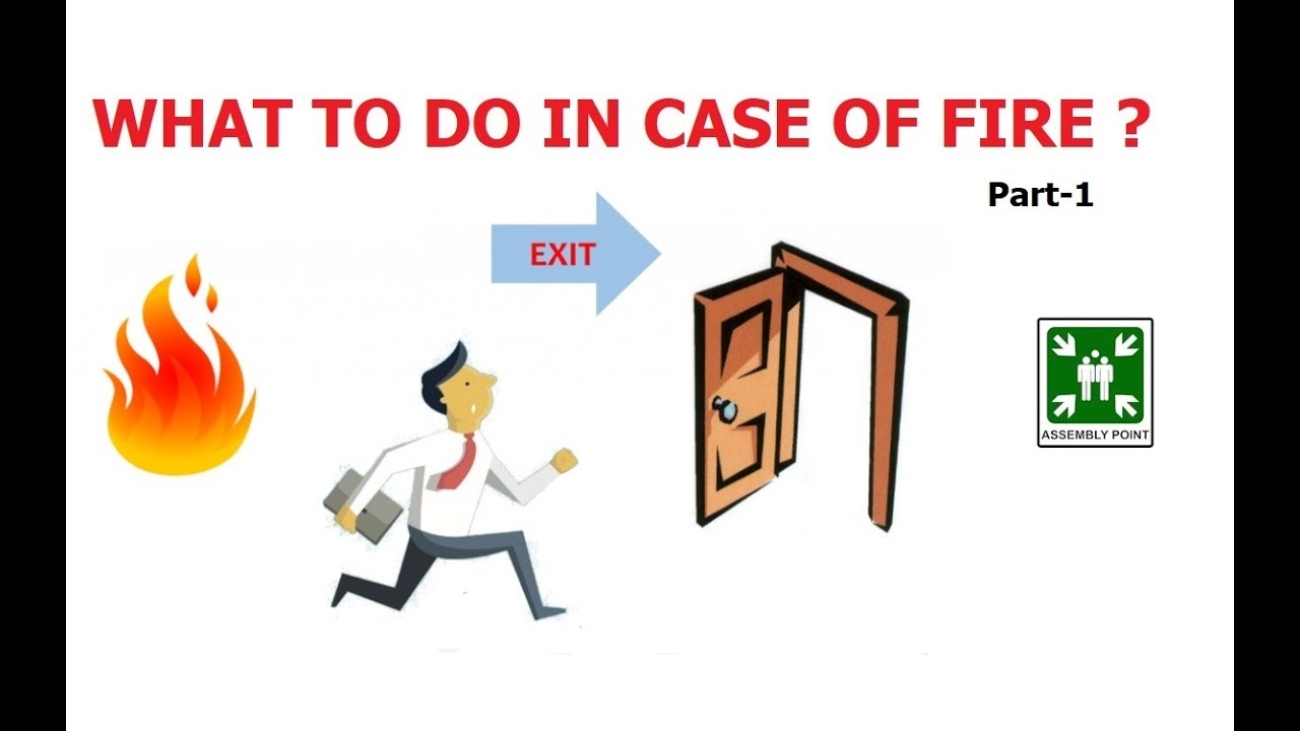
  2. Establish a Fire Safety Plan: Develop a comprehensive fire safety plan that outlines evacuation routes, designated assembly points, and roles for employees during emergencies.
  3. Work with Professionals: Consult with fire protection professionals or local fire authorities to ensure your facility meets all regulatory requirements and best practices.
  4. Maintain Documentation: Keep thorough records of all inspections, maintenance activities, and training sessions related to fire safety compliance.
  5. Stay Informed About Changes in Regulations: Regularly review local fire codes and regulations to stay updated on any changes that may affect your business.

Conclusion

Navigating health and safety compliance regarding fire regulations is essential for protecting lives and property within commercial buildings. By understanding the key regulations, recognizing common violations, and implementing best practices for compliance, businesses can create a safer environment for employees and customers alike.For assistance with developing a comprehensive fire safety plan or ensuring compliance with local regulations, contact Fire Risk Solutions today!

FAQs

  1. What are the primary agencies responsible for enforcing fire safety regulations?
    The National Fire Protection Association (NFPA), Occupational Safety and Health Administration (OSHA), and local fire marshals enforce various aspects of fire safety regulations.
  2. How often should fire safety inspections be conducted?
    Inspections should be conducted regularly—at least annually—and more frequently if significant changes occur within the building or its use.
  3. What should I do if I find blocked emergency exits?
    Immediately clear any obstructions from emergency exits and ensure that all staff members are aware of exit routes during emergencies.
  4. Are there specific training requirements for employees regarding fire safety?
    Yes, employees should receive regular training on evacuation procedures, proper use of firefighting equipment, and identifying potential hazards.
  5. How can I stay updated on changes in local fire codes?
    Regularly consult your local fire department or visit their website for updates on regulations applicable to your business or facility.
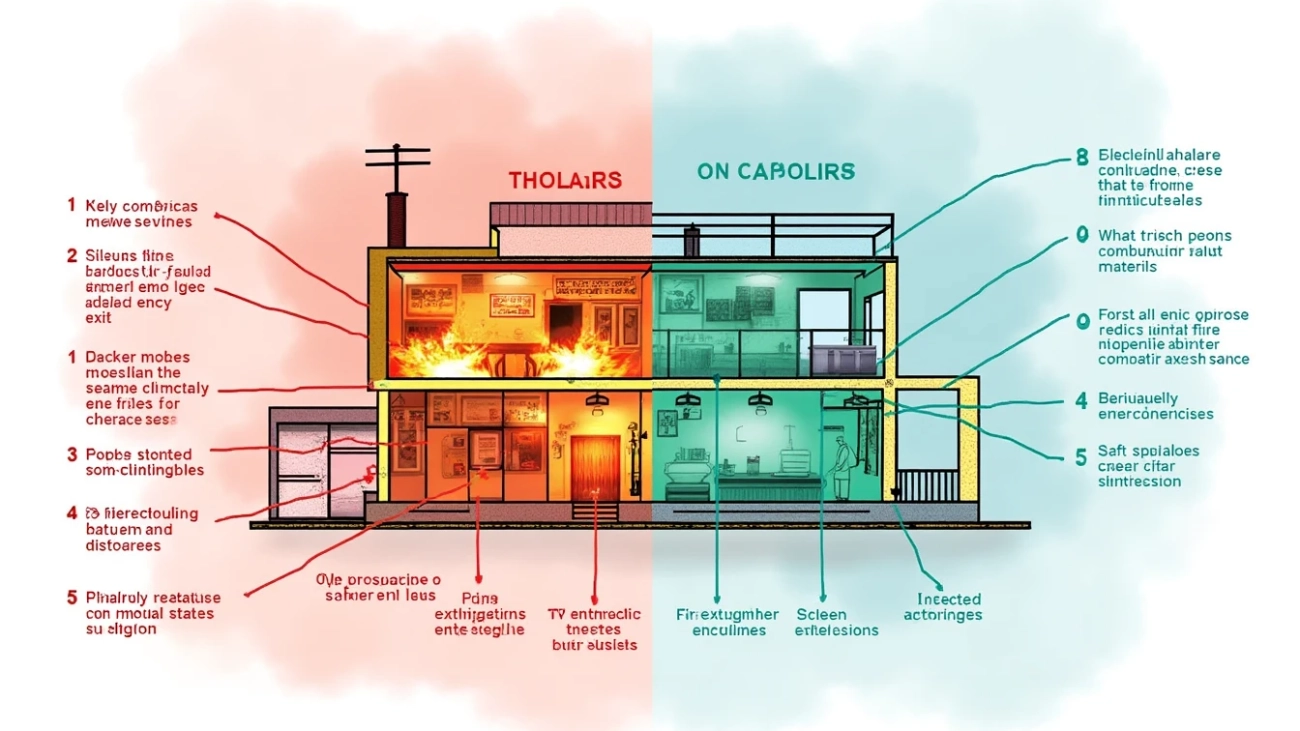
replicate-prediction-fzk3kptmjsrm00cj1cjbck477g

Common Fire Hazards in Commercial Buildings and How to Mitigate Them

Fire hazards are a significant concern for commercial buildings, where the risk of fire can lead to devastating consequences, including loss of life, injuries, and extensive property damage. Understanding common fire hazards and implementing effective mitigation strategies is essential for ensuring the safety of employees and the integrity of the building. This blog post outlines some of the most prevalent fire hazards in commercial settings and provides practical tips for reducing these risks.

1. Electrical Equipment and Wiring

Hazard: Faulty wiring, overloaded circuits, and malfunctioning electrical equipment are among the leading causes of fires in commercial buildings. These issues can arise from outdated systems or improper use of electrical appliances.Mitigation Strategies:

  • Regular Inspections: Conduct routine inspections of all electrical systems and equipment to identify and rectify any issues promptly.
  • Avoid Overloading Circuits: Ensure that power outlets are not overloaded with multiple devices. Use power strips with surge protection when necessary.
  • Upgrade Outdated Wiring: Replace old or damaged wiring to meet current safety standards.

2. Combustible Materials

Hazard: The accumulation of combustible materials such as paper, cardboard, and trash can provide fuel for fires, especially if stored improperly or near heat sources.Mitigation Strategies:

  • Maintain Cleanliness: Regularly clean workspaces to remove unnecessary combustible materials. Implement a waste disposal plan that encourages timely removal of trash.
  • Proper Storage: Store combustible materials away from heat sources and ensure they are kept in designated areas that comply with fire safety regulations.

3. Kitchen Areas

Hazard: Commercial kitchens are high-risk areas due to the use of cooking oils, heat-producing equipment, and open flames. Kitchen fires often result from grease buildup or unattended cooking.Mitigation Strategies:

  • Install Proper Equipment: Use Class K fire extinguishers specifically designed for kitchen fires and ensure that all cooking equipment is compliant with safety standards.
  • Regular Cleaning: Schedule routine cleaning of kitchen hoods, ducts, and filters to prevent grease accumulation.
  • Train Staff: Provide fire safety training for kitchen staff on safe cooking practices and emergency procedures.

4. Blocked Emergency Exits

Hazard: Blocked or poorly marked emergency exits can hinder evacuation during a fire emergency, putting lives at risk.Mitigation Strategies:

  • Clear Pathways: Regularly inspect exit routes to ensure they are unobstructed by furniture or storage items.
  • Signage and Lighting: Install clear signage indicating exit locations and ensure that emergency lighting is functional to guide occupants during an evacuation.

5. Improper Use of Extension Cords

Hazard: Overreliance on extension cords can lead to overheating and electrical fires, especially when used improperly or for extended periods.Mitigation Strategies:

  • Limit Use: Use extension cords only as a temporary solution and avoid daisy-chaining multiple cords together.
  • Educate Employees: Train staff on the proper use of extension cords, emphasizing manufacturer guidelines and safety practices.

6. Heating Equipment

Hazard: Portable heaters, boilers, and furnaces can become fire hazards if not maintained correctly or if placed too close to flammable materials.Mitigation Strategies:

  • Regular Maintenance: Schedule regular maintenance checks for all heating equipment to ensure they are functioning safely.
  • Safe Placement: Keep heating devices at a safe distance from combustible materials and ensure proper ventilation.

7. Inadequate Fire Detection Systems

Hazard: A lack of functioning smoke detectors or fire alarms can delay response times during an emergency, allowing fires to spread unchecked.Mitigation Strategies:

  • Install Fire Alarms and Sprinklers: Ensure that your building is equipped with properly installed and maintained fire alarm systems and sprinkler systems throughout the facility.
  • Regular Testing and Maintenance: Conduct regular tests on all fire detection systems to confirm they are operational and replace any faulty units immediately.

Conclusion

Identifying common fire hazards in commercial buildings is crucial for implementing effective fire prevention strategies. By addressing these risks through regular inspections, employee training, proper storage practices, and maintaining functional fire detection systems, businesses can significantly reduce the likelihood of fire incidents.Prioritizing fire safety not only protects lives but also safeguards property and minimizes potential financial losses due to fire-related damages. For professional assistance in assessing your facility’s fire risks or developing a comprehensive fire safety plan, contact Fire Risk Solutions today!

FAQs

  1. What are the most common causes of fires in commercial buildings?
    Common causes include electrical malfunctions, improper storage of combustible materials, kitchen equipment failures, and blocked emergency exits.
  2. How often should I inspect my building for fire hazards?
    Regular inspections should be conducted at least annually; however, high-risk areas like kitchens may require more frequent checks.
  3. What should I do if I find blocked emergency exits?
    Immediately clear any obstructions from emergency exits and ensure that all staff members are aware of exit routes during emergencies.
  4. How can I educate my employees about fire safety?
    Provide regular training sessions on identifying hazards, using fire extinguishers, and following evacuation procedures during drills.
  5. Are there specific regulations regarding fire safety in commercial buildings?
    Yes, local fire codes outline requirements for fire detection systems, exit routes, maintenance practices, and employee training that must be followed to ensure safety compliance.
The Importance of Regular Maintenance for Fire Safety Equipment

The Importance of Regular Maintenance for Fire Safety Equipment

Fire safety equipment is essential for protecting lives and property in the event of a fire. However, simply having this equipment on-site is not enough; regular maintenance is crucial to ensure that all fire safety devices function correctly when needed. In this blog post, we will explore the importance of regular maintenance for fire safety equipment and the potential consequences of neglecting this vital aspect of fire safety.

Why Regular Maintenance Matters

  1. Ensures Functionality
    Fire safety equipment, such as extinguishers, alarms, and sprinkler systems, must be in optimal working condition to be effective. Regular maintenance checks help identify any issues that could prevent the equipment from functioning properly during an emergency. For example, a fire extinguisher that has not been inspected may be empty or damaged, rendering it useless when needed most.
  2. Compliance with Regulations
    Most jurisdictions have strict regulations governing fire safety equipment maintenance. Regular inspections and servicing are often required by law to ensure compliance with local fire codes. Failure to adhere to these regulations can result in penalties, fines, or even legal action in the event of a fire incident.
  3. Reduces Liability Risks
    Businesses have a legal and ethical responsibility to provide a safe working environment for their employees and visitors. Neglecting fire safety equipment maintenance can lead to increased liability risks if an incident occurs due to faulty equipment. Regular maintenance demonstrates due diligence and commitment to safety, which can be crucial in defending against liability claims.
  4. Increases Lifespan of Equipment
    Regular maintenance helps extend the lifespan of fire safety equipment. Just like any other mechanical device, fire safety systems require care and attention to function effectively over time. Routine checks can identify wear and tear early on, allowing for repairs or replacements before they become critical issues.
  5. Enhances Employee Confidence
    When employees know that fire safety equipment is regularly maintained and operational, it fosters a culture of safety within the workplace. This confidence can lead to more proactive engagement with fire safety protocols and emergency procedures, ultimately contributing to a safer work environment.

Key Maintenance Practices

To ensure your fire safety equipment remains effective, consider implementing the following maintenance practices:

  • Regular Inspections: Schedule routine inspections for all fire safety equipment according to manufacturer recommendations and local regulations.
  • Service Fire Extinguishers: Fire extinguishers should be inspected monthly and serviced annually by a qualified technician to ensure they are fully charged and operational.
  • Test Smoke Alarms: Smoke detectors should be tested monthly, with batteries replaced at least once a year or as needed.
  • Check Sprinkler Systems: Sprinkler systems require regular testing to ensure that they activate properly in case of a fire. This includes checking water flow and pressure.
  • Maintain Emergency Lighting: Emergency lighting systems should be tested regularly to ensure they illuminate exit routes during power failures or emergencies.

Conclusion

Regular maintenance of fire safety equipment is not just a best practice; it is a vital component of any comprehensive fire safety strategy. By ensuring that all devices are functioning correctly, businesses can protect lives, comply with regulations, reduce liability risks, and foster a culture of safety among employees.If you need assistance with your fire safety equipment maintenance or would like to schedule an inspection, contact us at Fire Risk Solutions today!

FAQs

  1. How often should I inspect my fire extinguishers?
    Fire extinguishers should be visually inspected monthly and serviced by a professional at least once a year.
  2. What are the signs that my smoke alarm needs maintenance?
    If your smoke alarm chirps intermittently or fails to respond during testing, it may need new batteries or replacement.
  3. Are there specific regulations for maintaining fire safety equipment?
    Yes, local fire codes typically outline specific maintenance requirements for various types of fire safety equipment.
  4. Can I perform maintenance on my fire safety equipment myself?
    While some basic checks can be done by staff (like checking pressure gauges), professional servicing is recommended for most equipment.
  5. What should I do if I find damaged or expired fire safety equipment?
    Replace any damaged or expired equipment immediately and notify your supervisor or designated safety officer.

By prioritizing regular maintenance for your fire safety equipment, you can significantly enhance your workplace’s overall safety and preparedness in case of an emergency.

Top 5 Fire Safety Systems Every Workplace Should Have

Top 5 Fire Safety Systems Every Workplace Should Have

Fire safety is a critical concern for any workplace, as fire incidents can lead to devastating consequences, including loss of life, injuries, and significant property damage. Implementing effective fire safety systems is essential for protecting employees and ensuring compliance with legal regulations. Here are the top five fire safety systems that every workplace should have to enhance safety and preparedness.

1. Fire Extinguishers

Fire extinguishers are a fundamental component of any fire safety strategy. They provide a first line of defense against small fires, allowing employees to take immediate action before a fire escalates. It’s essential to choose the right type of extinguisher based on the potential fire hazards present in your workplace, such as electrical, flammable liquids, or ordinary combustibles.

  • Maintenance: Ensure that fire extinguishers are regularly inspected and serviced according to local regulations. Employees should also be trained on how to use them effectively.

2. Smoke Alarms/Smoke Detectors

Smoke alarms are crucial for early detection of fires, providing an audible warning that allows occupants to evacuate safely. Every workplace should have smoke detectors installed on every floor and in key areas such as kitchens and storage rooms.

  • Installation and Testing: Proper installation is vital, and regular testing should be conducted to ensure functionality. Cleaning dust from detectors can help maintain their sensitivity.

3. Fire Suppression Systems

Fire suppression systems are designed to automatically detect and extinguish fires using various agents such as water, foam, or dry chemicals. These systems can significantly reduce the spread of fire and minimize damage.

  • Types: Common types include sprinkler systems, which activate when heat is detected, and specialized systems for areas with sensitive equipment, such as data centers.

4. Water Sprinkler System

A well-maintained water sprinkler system is one of the most effective means of controlling fires in their early stages. Sprinklers are strategically placed throughout the building and can automatically release water when a fire is detected.

  • Benefits: This system not only helps extinguish flames but also cools down surrounding areas to prevent fire spread. Regular maintenance checks are necessary to ensure all components are operational.

5. Fire Safety Signs

Clear and visible fire safety signs play a vital role in guiding employees during an emergency. These signs indicate the location of exits, firefighting equipment, and evacuation routes.

  • Types of Signs: Use color-coded signs—green for exits, red for firefighting equipment, and yellow for warning signs—to ensure everyone can quickly understand the information during an emergency.

Conclusion

Implementing these five essential fire safety systems can significantly enhance workplace safety and preparedness. Regular training for employees on how to use these systems effectively and conducting drills will further reinforce a culture of safety within your organization.For more information on installing or maintaining these fire safety systems in your workplace, please contact us at Fire Risk Solutions.

FAQs

  1. Why are fire extinguishers important in the workplace?
    Fire extinguishers provide immediate access to firefighting equipment that can prevent small fires from escalating into larger emergencies.
  2. How often should smoke detectors be tested?
    Smoke detectors should be tested monthly to ensure they are functioning properly and cleaned regularly to remove dust buildup.
  3. What types of fire suppression systems are available?
    There are various types including water-based sprinklers, foam systems for flammable liquids, and gas suppression systems for sensitive areas like server rooms.
  4. How can I ensure my water sprinkler system is effective?
    Regular maintenance checks should be performed to inspect pipes, valves, and sprinkler heads for any obstructions or damage.
  5. What role do fire safety signs play during an emergency?
    Fire safety signs guide occupants safely out of the building by indicating exits and locations of firefighting equipment during an emergency situation.

By prioritizing these fire safety systems, businesses can create a safer working environment that protects both employees and assets from potential fire hazards.