
Fire extinguishers are a critical component of fire safety in both residential and commercial settings. They provide a first line of defense against small fires, allowing individuals to take immediate action before the flames escalate. Understanding the different types of fire extinguishers, their uses, and proper maintenance practices is essential for ensuring that these vital tools are effective when needed. In this blog post, we will explore the role of fire extinguishers in fire safety, the various types available, and essential maintenance tips to keep them in optimal condition.
The Importance of Fire Extinguishers
Fire extinguishers are designed to suppress small fires that can occur in various environments. Their presence can significantly reduce the risk of extensive damage and enhance safety for occupants. Here are some key reasons why fire extinguishers are crucial:
- Immediate Response: They allow individuals to act quickly in the event of a fire, potentially preventing it from spreading.
- Life-Saving Equipment: In emergencies, having access to a fire extinguisher can save lives by providing a means to control flames while waiting for professional help.
- Compliance with Regulations: Many jurisdictions require businesses and public buildings to have fire extinguishers on-site as part of their fire safety regulations.
Types of Fire Extinguishers
Fire extinguishers are classified based on the type of fire they are designed to combat. Understanding these classifications is essential for selecting the right extinguisher for your environment:
- Class A: For ordinary combustibles such as wood, paper, and cloth. These extinguishers typically contain water or foam.
- Class B: For flammable liquids like gasoline, oil, and grease. These extinguishers use foam or dry chemical agents to smother flames.
- Class C: For electrical fires involving energized equipment. These extinguishers use non-conductive agents like carbon dioxide (CO2) or dry chemicals.
- Class D: For combustible metals such as magnesium and sodium. These extinguishers contain dry powder agents specifically designed for metal fires.
- Class K: For kitchen fires involving cooking oils and fats. These extinguishers typically use a special wet chemical agent that cools and suppresses flames effectively.
How to Use a Fire Extinguisher
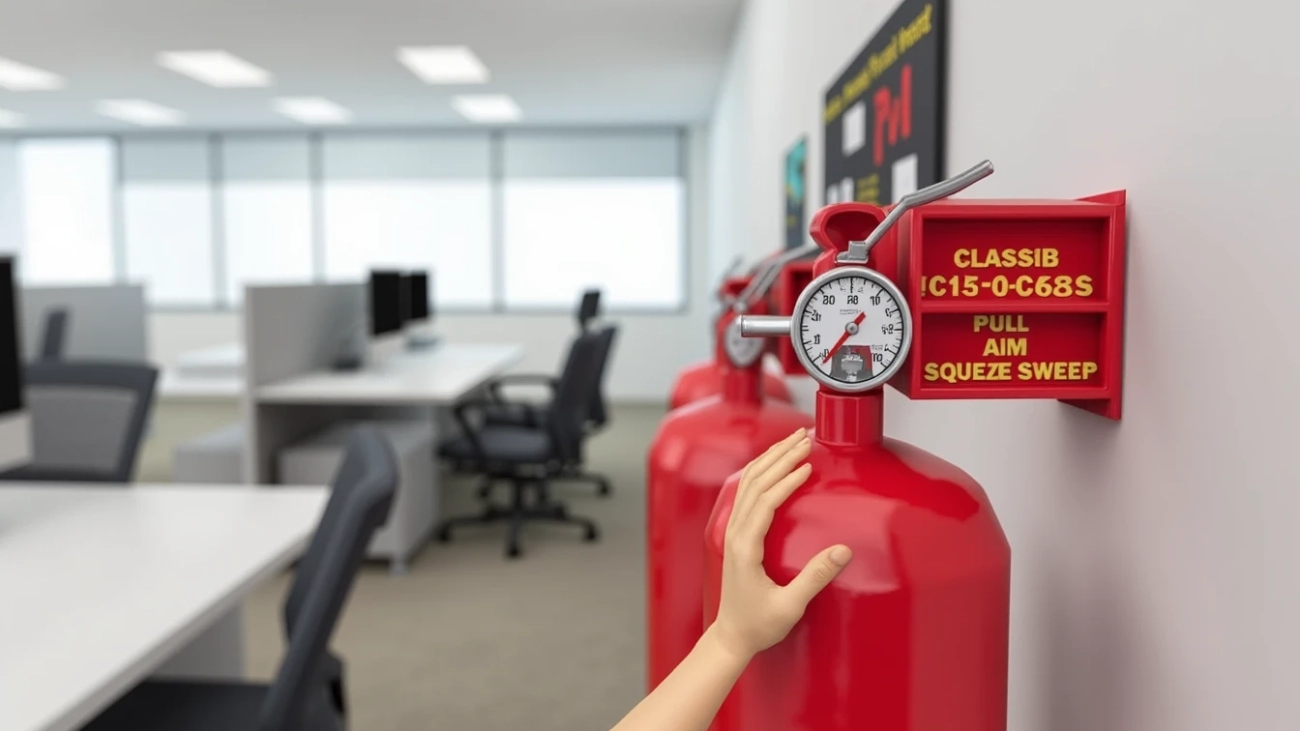
Knowing how to use a fire extinguisher can make a significant difference in an emergency situation. Follow the acronym PASS:
- Pull the pin: Remove the safety pin from the handle.
- Aim low: Point the nozzle at the base of the fire.
- Squeeze the handle: Apply pressure to release the extinguishing agent.
- Sweep side to side: Move the nozzle from side to side until the fire is completely out.
Maintenance Tips for Fire Extinguishers
Proper maintenance is essential to ensure that fire extinguishers function effectively when needed. Here are some key maintenance tips:
- Regular Inspections: Conduct monthly visual inspections to check for any signs of damage, leaks, or corrosion. Ensure that pressure gauges indicate adequate pressure levels.
- Annual Servicing: Have a qualified technician perform an annual service on all fire extinguishers to check internal components and recharge as necessary.
- Keep Accessible: Ensure that extinguishers are easily accessible and not obstructed by furniture or equipment. They should be mounted on walls at appropriate heights based on local regulations.
- Training Employees: Provide training sessions for employees on how to use fire extinguishers effectively and conduct regular drills to reinforce their knowledge.
- Replace Expired Units: Fire extinguishers have a limited lifespan; replace any units that have expired or have been used even partially.
Conclusion
Fire extinguishers play a vital role in protecting lives and property from fire hazards. By understanding the different types available, knowing how to use them properly, and adhering to maintenance best practices, you can ensure that these essential tools are ready for action when needed most.For assistance with selecting, installing, or maintaining fire extinguishers in your facility, contact Fire Risk Solutions today!
FAQs
- How often should I inspect my fire extinguisher?
You should conduct monthly visual inspections and have an annual service performed by a qualified technician. - What should I do if my fire extinguisher has been used?
After using a fire extinguisher, it should be recharged or replaced immediately, even if it appears partially full. - Can I use a Class A extinguisher on electrical fires?
No, Class A extinguishers should not be used on electrical fires; instead, use a Class C extinguisher designed for electrical hazards. - How do I know which type of extinguisher I need?
Assess your environment for potential fire hazards (e.g., kitchen equipment, flammable liquids) and choose an extinguisher that matches those risks. - Are there specific regulations regarding fire extinguisher placement?
Yes, local regulations often dictate where and how many extinguishers must be placed based on building size and occupancy type; consult your local codes for details.
By prioritizing fire safety through proper selection and maintenance of fire extinguishers, you contribute significantly to creating a safe environment for everyone in your facility