Customized Fire Safety Solutions for the Mining Sector: Best Practices and Strategies

Customized Fire Safety Solutions for the Mining Sector: Best Practices and Strategies

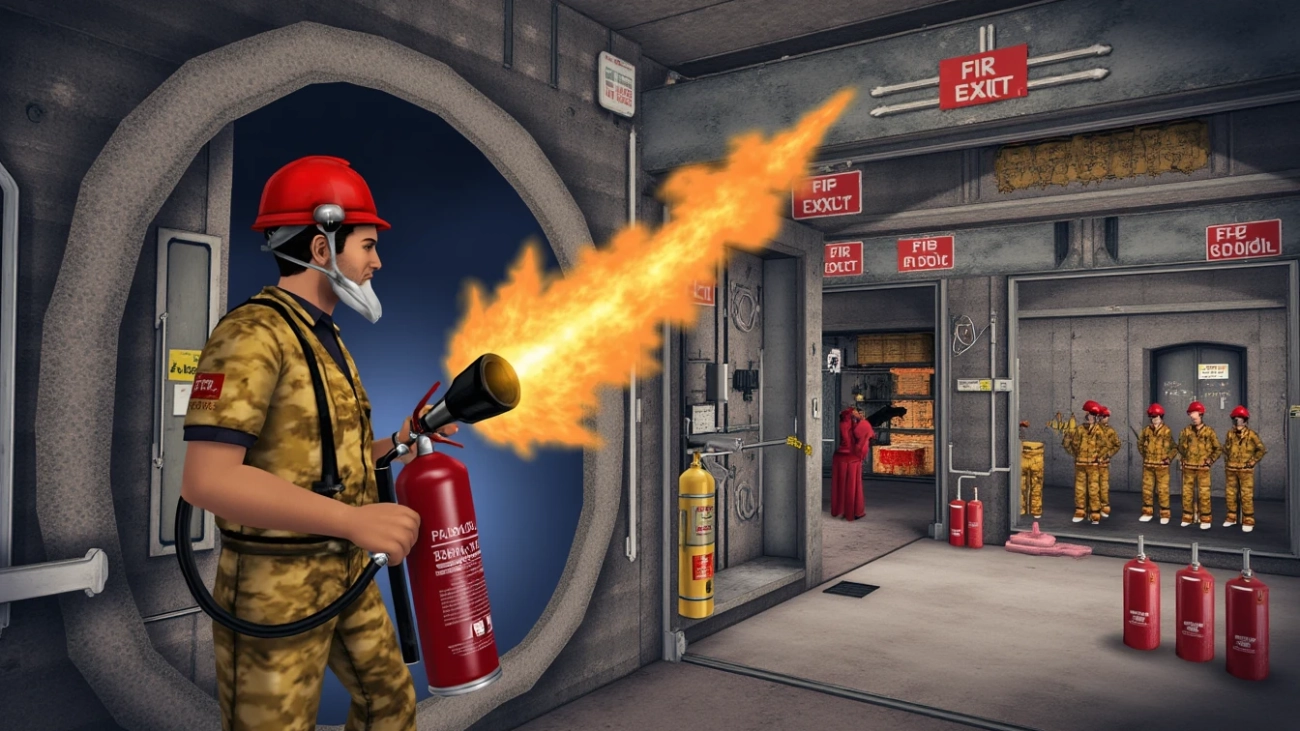
The mining sector is inherently hazardous, with unique challenges that make fire safety a critical concern. The combination of flammable materials, heavy machinery, and confined working environments increases the risk of fire incidents. To mitigate these risks effectively, mining operations require customized fire safety solutions tailored to their specific needs. This blog post will explore best practices and strategies for implementing effective fire safety measures in the mining industry.

Understanding the Risks

Mining environments present various fire hazards, including:

  • Flammable Materials: The presence of combustible dust, fuels, and lubricants can easily ignite under certain conditions.
  • Electrical Equipment: Faulty wiring and overloaded circuits are common causes of fires in mining operations.
  • Hot Work Operations: Activities such as welding and cutting can generate sparks that ignite nearby flammable materials.
  • Confined Spaces: Underground mines have limited escape routes, making it crucial to have effective fire prevention and response strategies in place.

Best Practices for Fire Safety in Mining

  1. Conduct Thorough Risk AssessmentsA comprehensive risk assessment is the foundation of any effective fire safety plan. It involves identifying potential fire hazards specific to the mining site, including equipment, materials, and operational practices. Engaging a fire protection expert can help ensure that no hazards are overlooked.
    • Evaluate Specific Risks: Different types of mines (surface vs. underground) may have varying risks. Tailor assessments to address these differences.
  2. Understand Compliance and Regulatory RequirementsCompliance with local regulations is not only a legal obligation but also a critical aspect of ensuring safety. Familiarize yourself with the health and safety standards that govern fire protection in your jurisdiction.
    • Stay Updated: Regulations can change; regular reviews of compliance requirements ensure that your operations remain within legal boundaries.
  3. Implement Appropriate Fire Protection EquipmentSelecting and installing the right fire protection equipment is vital for effective fire management. Depending on the specific risks identified, this may include:
    • Fire Sprinkler Systems: Essential for controlling fires in areas with high combustible loads.
    • Water Mist Systems: Effective for cooling and suppressing flames without causing water damage.
    • Foam Systems: Particularly useful for flammable liquid fires.
    • Portable Fire Extinguishers: Strategically placed throughout the site for quick access.
    • Automatic Detection Systems: Utilizing smoke detectors, heat sensors, and gas detection units to provide early warning of potential fires.
  4. Regular Audits and MaintenanceFire protection equipment must be maintained to ensure its effectiveness. Regular audits help identify any deficiencies or needed repairs.
    • Schedule Inspections: Conduct routine checks on all fire protection systems to ensure they are operational.
    • Maintain Cleanliness: Regularly clean equipment and work areas to minimize dust accumulation that could contribute to fire hazards.
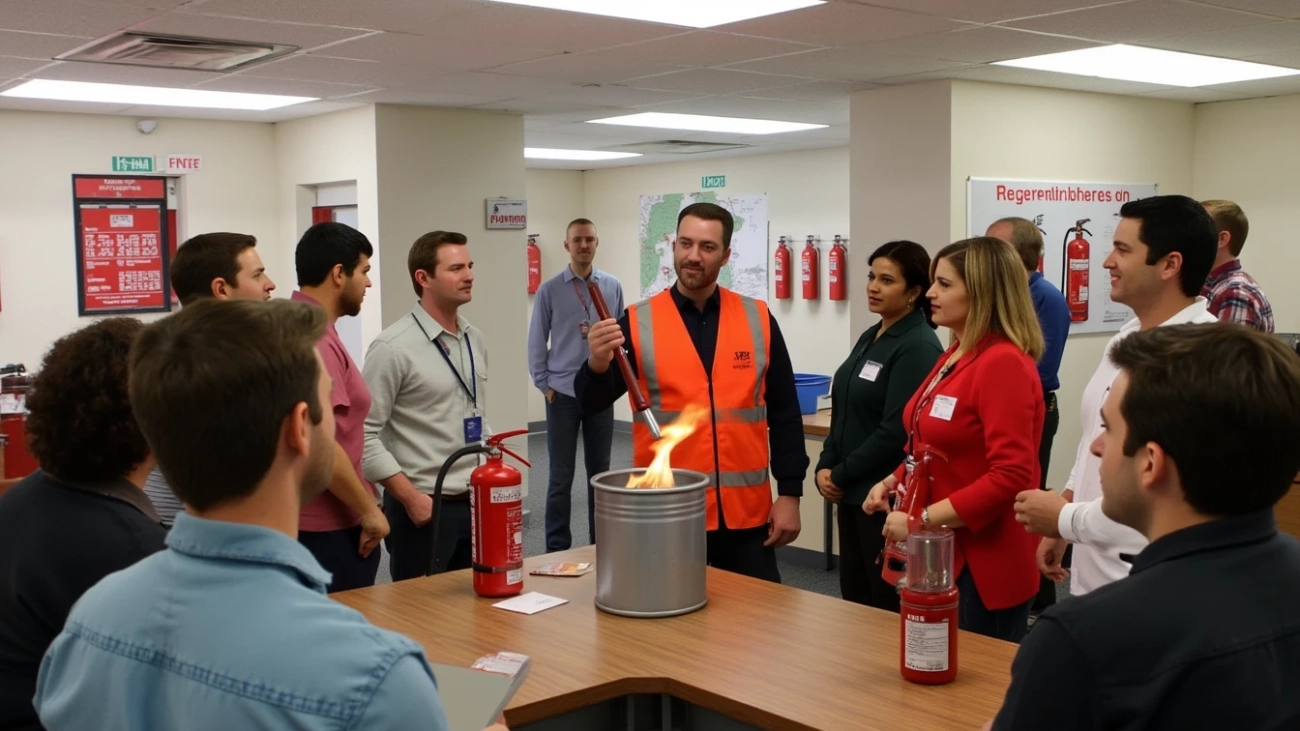
  5. Train Employees on Fire Safety ProtocolsTraining is one of the most critical components of a successful fire safety strategy. Employees should be well-versed in emergency procedures, proper use of firefighting equipment, and evacuation routes.
    • Tailored Training Programs: Develop training sessions specific to the mining environment, focusing on scenarios relevant to your operations.
    • Conduct Drills: Regularly practice evacuation procedures to ensure all personnel know how to respond in an emergency.
  6. Establish Emergency Response PlansHaving a clear emergency response plan is essential for minimizing the impact of a fire incident. This plan should outline roles and responsibilities during an emergency, evacuation routes, and communication protocols.
    • Designate Assembly Points: Identify safe locations where employees can gather after evacuating.
    • Communication Systems: Implement reliable communication tools to ensure coordination during emergencies.

Conclusion

Customized fire safety solutions are essential for mitigating risks in the mining sector. By conducting thorough risk assessments, understanding compliance requirements, implementing appropriate equipment, maintaining regular audits, training employees, and establishing robust emergency response plans, mining operations can significantly enhance their fire safety measures.Investing in these best practices not only protects lives but also ensures operational continuity in an industry where safety is paramount. For expert guidance on developing customized fire safety solutions for your mining operation, contact Fire Risk Solutions today!

FAQs

  1. What are common causes of fires in mines?
    Common causes include electrical faults, hot work operations (like welding), flammable materials mishandling, and spontaneous combustion of materials like coal.
  2. How often should fire safety training be conducted?
    Fire safety training should be conducted at least annually or whenever there are significant changes in personnel or procedures at the mine site.
  3. What types of fire suppression systems are recommended for mining operations?
    Recommended systems include water mist systems, foam suppression systems, automatic sprinkler systems, and portable extinguishers tailored to specific risks.
  4. Why is regular maintenance important for fire protection equipment?
    Regular maintenance ensures that all equipment functions correctly during an emergency; neglected equipment may fail when needed most.
  5. What should be included in an emergency response plan for mines?
    An effective plan should include evacuation routes, designated assembly points, communication protocols, roles during emergencies, and training procedures for all employees.
replicate-prediction-fzk3kptmjsrm00cj1cjbck477g

Common Fire Hazards in Commercial Buildings and How to Mitigate Them

Fire hazards are a significant concern for commercial buildings, where the risk of fire can lead to devastating consequences, including loss of life, injuries, and extensive property damage. Understanding common fire hazards and implementing effective mitigation strategies is essential for ensuring the safety of employees and the integrity of the building. This blog post outlines some of the most prevalent fire hazards in commercial settings and provides practical tips for reducing these risks.

1. Electrical Equipment and Wiring

Hazard: Faulty wiring, overloaded circuits, and malfunctioning electrical equipment are among the leading causes of fires in commercial buildings. These issues can arise from outdated systems or improper use of electrical appliances.Mitigation Strategies:

  • Regular Inspections: Conduct routine inspections of all electrical systems and equipment to identify and rectify any issues promptly.
  • Avoid Overloading Circuits: Ensure that power outlets are not overloaded with multiple devices. Use power strips with surge protection when necessary.
  • Upgrade Outdated Wiring: Replace old or damaged wiring to meet current safety standards.

2. Combustible Materials

Hazard: The accumulation of combustible materials such as paper, cardboard, and trash can provide fuel for fires, especially if stored improperly or near heat sources.Mitigation Strategies:

  • Maintain Cleanliness: Regularly clean workspaces to remove unnecessary combustible materials. Implement a waste disposal plan that encourages timely removal of trash.
  • Proper Storage: Store combustible materials away from heat sources and ensure they are kept in designated areas that comply with fire safety regulations.

3. Kitchen Areas

Hazard: Commercial kitchens are high-risk areas due to the use of cooking oils, heat-producing equipment, and open flames. Kitchen fires often result from grease buildup or unattended cooking.Mitigation Strategies:

  • Install Proper Equipment: Use Class K fire extinguishers specifically designed for kitchen fires and ensure that all cooking equipment is compliant with safety standards.
  • Regular Cleaning: Schedule routine cleaning of kitchen hoods, ducts, and filters to prevent grease accumulation.
  • Train Staff: Provide fire safety training for kitchen staff on safe cooking practices and emergency procedures.

4. Blocked Emergency Exits

Hazard: Blocked or poorly marked emergency exits can hinder evacuation during a fire emergency, putting lives at risk.Mitigation Strategies:

  • Clear Pathways: Regularly inspect exit routes to ensure they are unobstructed by furniture or storage items.
  • Signage and Lighting: Install clear signage indicating exit locations and ensure that emergency lighting is functional to guide occupants during an evacuation.

5. Improper Use of Extension Cords

Hazard: Overreliance on extension cords can lead to overheating and electrical fires, especially when used improperly or for extended periods.Mitigation Strategies:

  • Limit Use: Use extension cords only as a temporary solution and avoid daisy-chaining multiple cords together.
  • Educate Employees: Train staff on the proper use of extension cords, emphasizing manufacturer guidelines and safety practices.

6. Heating Equipment

Hazard: Portable heaters, boilers, and furnaces can become fire hazards if not maintained correctly or if placed too close to flammable materials.Mitigation Strategies:

  • Regular Maintenance: Schedule regular maintenance checks for all heating equipment to ensure they are functioning safely.
  • Safe Placement: Keep heating devices at a safe distance from combustible materials and ensure proper ventilation.

7. Inadequate Fire Detection Systems

Hazard: A lack of functioning smoke detectors or fire alarms can delay response times during an emergency, allowing fires to spread unchecked.Mitigation Strategies:

  • Install Fire Alarms and Sprinklers: Ensure that your building is equipped with properly installed and maintained fire alarm systems and sprinkler systems throughout the facility.
  • Regular Testing and Maintenance: Conduct regular tests on all fire detection systems to confirm they are operational and replace any faulty units immediately.

Conclusion

Identifying common fire hazards in commercial buildings is crucial for implementing effective fire prevention strategies. By addressing these risks through regular inspections, employee training, proper storage practices, and maintaining functional fire detection systems, businesses can significantly reduce the likelihood of fire incidents.Prioritizing fire safety not only protects lives but also safeguards property and minimizes potential financial losses due to fire-related damages. For professional assistance in assessing your facility’s fire risks or developing a comprehensive fire safety plan, contact Fire Risk Solutions today!

FAQs

  1. What are the most common causes of fires in commercial buildings?
    Common causes include electrical malfunctions, improper storage of combustible materials, kitchen equipment failures, and blocked emergency exits.
  2. How often should I inspect my building for fire hazards?
    Regular inspections should be conducted at least annually; however, high-risk areas like kitchens may require more frequent checks.
  3. What should I do if I find blocked emergency exits?
    Immediately clear any obstructions from emergency exits and ensure that all staff members are aware of exit routes during emergencies.
  4. How can I educate my employees about fire safety?
    Provide regular training sessions on identifying hazards, using fire extinguishers, and following evacuation procedures during drills.
  5. Are there specific regulations regarding fire safety in commercial buildings?
    Yes, local fire codes outline requirements for fire detection systems, exit routes, maintenance practices, and employee training that must be followed to ensure safety compliance.
Innovative Fire Suppression Technologies: What You Need to Know

Innovative Fire Suppression Technologies: What You Need to Know

In an era where fire safety is more critical than ever, innovative fire suppression technologies are evolving to meet the diverse needs of various industries. These advancements not only enhance safety but also improve the efficiency and effectiveness of fire response systems. This blog post explores some of the latest fire suppression technologies, their benefits, and what you need to know to keep your facility safe.

1. Clean Agent Fire Suppression Systems

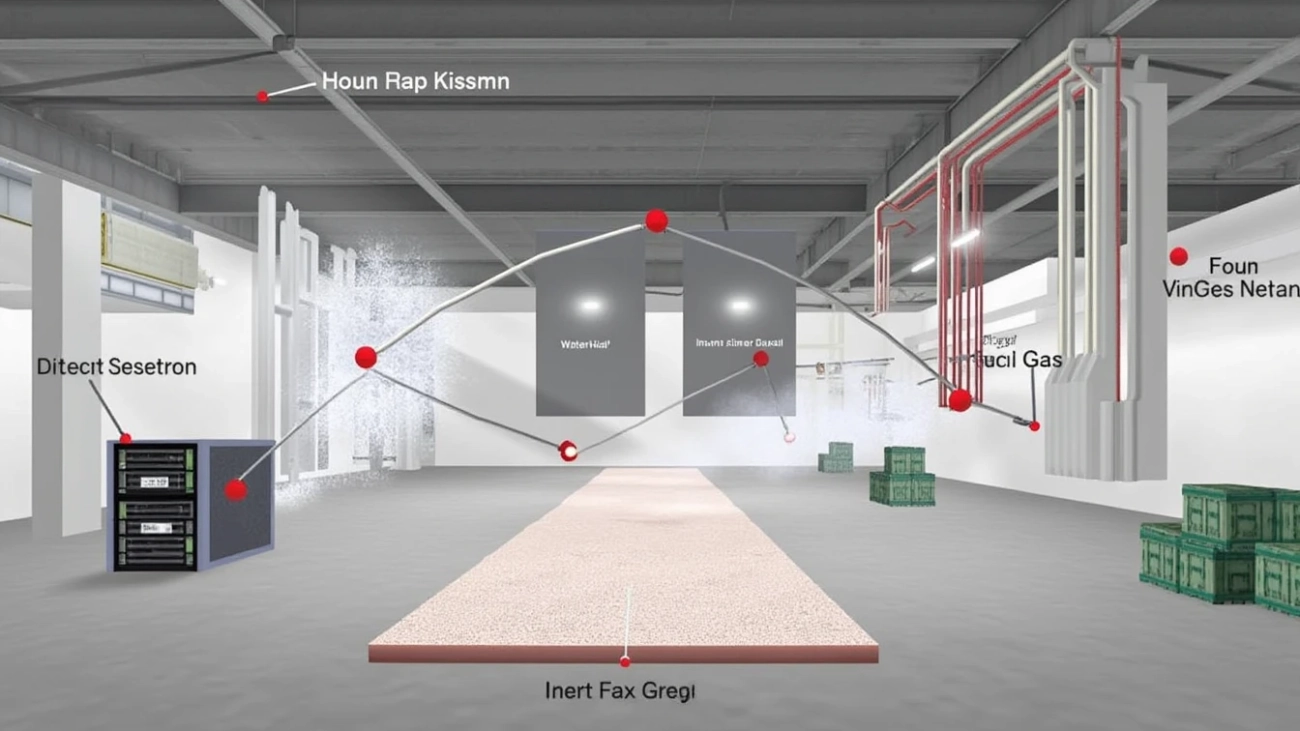
Clean agent fire suppression systems use gaseous agents to extinguish fires without leaving any residue. These systems are ideal for protecting sensitive equipment, such as computers and servers, where water damage could be catastrophic. Common clean agents include:

  • 3M™ Novec™ 1230: An environmentally friendly option that is effective against Class A, B, and C fires. It works by displacing oxygen and cooling the flames.
  • FM-200: Another popular clean agent that rapidly extinguishes fires through heat absorption and is safe for occupied spaces.

These systems are activated automatically or manually and can suppress a fire within seconds, minimizing damage and downtime.

2. Water Mist Systems

Water mist fire suppression systems utilize fine water droplets to extinguish fires by cooling and displacing oxygen. Unlike traditional sprinkler systems that release large amounts of water, water mist systems use significantly less water, making them suitable for areas where water damage is a concern.

  • Advantages: They are effective on various classes of fires and can be used in environments with sensitive equipment, such as data centers and museums.
  • Applications: Water mist systems are increasingly being used in marine vessels, industrial facilities, and high-rise buildings due to their efficiency and effectiveness.

3. Foam Fire Suppression Systems

Foam fire suppression systems are particularly effective for Class B fires involving flammable liquids. These systems work by creating a blanket of foam that smothers the fire, cutting off its oxygen supply.

  • Types of Foam: There are different types of foam agents available, including AFFF (Aqueous Film Forming Foam) and FFFP (Film Forming Fluoroprotein Foam), each suited for specific applications.
  • Use Cases: Foam suppression is commonly used in airports, fuel storage facilities, and chemical plants where flammable liquids are present.

4. Inert Gas Fire Suppression Systems

Inert gas systems use gases like nitrogen, argon, or carbon dioxide to reduce the oxygen concentration in a protected area, effectively suffocating the fire.

  • Benefits: These systems are non-toxic and leave no residue, making them safe for occupied spaces and ideal for areas with valuable equipment.
  • Activation: Inert gas systems can be designed for automatic activation based on smoke or heat detection or can be manually triggered by personnel.

5. Advanced Detection Technologies

Innovative fire suppression technologies often incorporate advanced detection systems that enhance their effectiveness. These include:

  • Linear Heat Detection Systems: These systems use heat-sensitive cables that detect temperature changes along their length, providing early warning of potential fires.
  • Video Analytics: Some modern fire detection systems utilize video surveillance combined with artificial intelligence to identify smoke or flames in real-time, allowing for quicker response times.

Conclusion

Investing in innovative fire suppression technologies is essential for protecting lives and property from the devastating effects of fire. By understanding the various options available—clean agents, water mist systems, foam suppression, inert gases, and advanced detection technologies—you can make informed decisions about the best solutions for your facility’s specific needs.Regular maintenance and training on these systems are equally important to ensure they function effectively when needed most. For expert guidance on selecting and implementing the right fire suppression technology for your business, contact Fire Risk Solutions today!

FAQs

  1. What is a clean agent fire suppression system?
    Clean agent systems use gaseous agents to extinguish fires without leaving residue, making them ideal for protecting sensitive equipment.
  2. How do water mist systems work?
    Water mist systems release fine droplets of water that cool the flames and displace oxygen to extinguish fires while minimizing water damage.
  3. What types of fires are foam suppression systems effective against?
    Foam suppression systems are particularly effective against Class B fires involving flammable liquids.
  4. What is an inert gas fire suppression system?
    Inert gas systems use gases like nitrogen or argon to reduce oxygen levels in a protected area, effectively suffocating the fire without leaving residue.
  5. Why is regular maintenance important for fire suppression systems?
    Regular maintenance ensures that all components are functioning correctly and ready to operate effectively in an emergency situation.

By staying informed about innovative fire suppression technologies and implementing them effectively, businesses can significantly enhance their fire safety measures and protect their assets from potential disasters.

Fire Safety Training: Empowering Employees to Act in Emergencies

Fire Safety Training: Empowering Employees to Act in Emergencies

In any workplace, the safety of employees is paramount, and being prepared for emergencies is a crucial aspect of that safety. Fire safety training equips employees with the knowledge and skills necessary to respond effectively in the event of a fire. This blog post explores the importance of fire safety training, what it entails, and how it empowers employees to act decisively during emergencies.

Why Fire Safety Training is Essential

  1. Enhances Awareness
    Fire safety training raises awareness about potential fire hazards within the workplace. Employees learn to identify risks, such as faulty electrical equipment, flammable materials, and unsafe practices that could lead to a fire.
  2. Improves Response Time
    In an emergency, every second counts. Training ensures that employees know exactly what steps to take when a fire occurs, from activating alarms to evacuating the premises. This preparedness can significantly reduce response time and minimize harm.
  3. Reduces Panic and Confusion
    A well-prepared workforce is less likely to panic during a fire emergency. Fire safety training instills confidence in employees, enabling them to remain calm and focused on executing the escape plan rather than succumbing to fear or confusion.
  4. Promotes Teamwork
    Fire safety training fosters a sense of teamwork among employees. By practicing evacuation procedures together, staff members learn to support one another during emergencies, ensuring that everyone is accounted for and safe.
  5. Compliance with Regulations
    Many jurisdictions require businesses to provide fire safety training as part of their compliance with health and safety regulations. Regular training not only keeps employees safe but also helps organizations avoid legal penalties.

Key Components of Effective Fire Safety Training

To ensure that fire safety training is effective, it should encompass several key components:

  1. Understanding Fire Types and Hazards
    Employees should be educated about different types of fires (Class A, B, C, etc.) and the specific hazards associated with each type. This knowledge helps them understand how to respond appropriately.
  2. Fire Prevention Strategies
    Training should include information on how to prevent fires in the workplace, such as proper storage of flammable materials, maintaining electrical equipment, and following safe work practices.
  3. Use of Fire Extinguishers
    Hands-on training on how to use fire extinguishers correctly is essential. Employees should practice using extinguishers on simulated fires to build confidence in their ability to act if needed.
  4. Evacuation Procedures
    Employees must be familiar with the facility’s evacuation routes and procedures. Conducting regular drills reinforces these procedures and ensures everyone knows where to go in case of an emergency.
  5. Roles and Responsibilities
    Clearly define roles for employees during a fire emergency, such as fire wardens or designated helpers for individuals with disabilities. This clarity helps streamline the evacuation process.

Implementing a Fire Safety Training Program

To create an effective fire safety training program:

  1. Assess Your Needs: Evaluate your workplace’s specific risks and regulatory requirements to tailor the training program accordingly.
  2. Engage Qualified Trainers: Hire experienced professionals or certified trainers who can deliver comprehensive fire safety education.
  3. Schedule Regular Training Sessions: Conduct training sessions at least annually, with additional sessions for new hires or when significant changes occur in the workplace.
  4. Utilize Various Training Methods: Incorporate a mix of classroom instruction, hands-on practice, and interactive simulations to cater to different learning styles.
  5. Evaluate Effectiveness: After each training session or drill, gather feedback from participants to identify areas for improvement in your program.

Conclusion

Fire safety training is an essential investment in your workforce’s safety and well-being. By empowering employees with knowledge and skills, you create a culture of preparedness that can save lives during emergencies. Regular training not only enhances awareness but also fosters teamwork and compliance with regulations.For assistance in developing or implementing a comprehensive fire safety training program tailored to your facility’s needs, contact Fire Risk Solutions today!

FAQs

  1. How often should fire safety training be conducted?
    It is recommended to conduct fire safety training at least once a year, with additional sessions for new hires or after significant changes in the workplace.
  2. What topics should be covered in fire safety training?
    Topics should include understanding fire hazards, prevention strategies, proper use of fire extinguishers, evacuation procedures, and roles during emergencies.
  3. Can I conduct fire safety training in-house?
    While some basic training can be done internally by knowledgeable staff members, hiring qualified trainers ensures comprehensive education on all aspects of fire safety.
  4. What are some effective methods for delivering fire safety training?
    Effective methods include classroom instruction, hands-on demonstrations, interactive simulations, and regular drills to reinforce learning.
  5. How can I measure the effectiveness of my fire safety training program?
    Gather feedback from participants after each session or drill and assess their understanding through quizzes or practical evaluations to identify areas for improvement.

By prioritizing fire safety training within your organization, you empower your employees to act decisively during emergencies while fostering a safer working environment for everyone involved

How to Create an Effective Fire Escape Plan for Your Facility

How to Create an Effective Fire Escape Plan for Your Facility

In the event of a fire emergency, having a well-structured fire escape plan can mean the difference between safety and tragedy. An effective fire escape plan not only outlines the quickest routes to safety but also prepares employees to act swiftly and calmly. This blog post will guide you through the essential steps to create a comprehensive fire escape plan tailored to your facility.

1. Assess Your Facility

Before drafting your fire escape plan, conduct a thorough assessment of your facility. Identify potential fire hazards, such as flammable materials, electrical equipment, and areas where fires are likely to start. Understanding these risks will help you determine the best escape routes and strategies.

  • Document Hazards: Create a list of potential fire hazards and their locations within the facility.
  • Evaluate Exits: Identify all possible exits, including doors and windows, and consider how accessible they are in an emergency.

2. Develop Clear Escape Routes

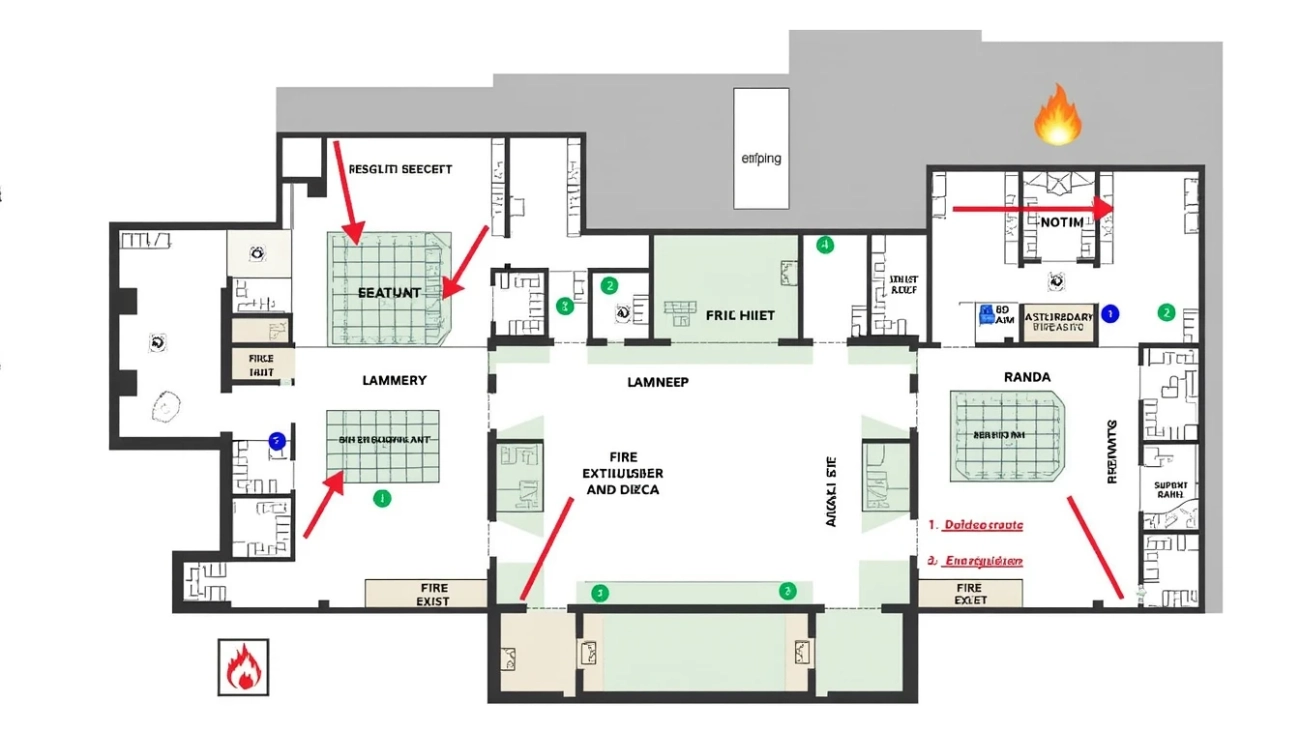
Once you have assessed your facility, map out the primary and secondary escape routes. Ensure that these routes are clearly marked and easily accessible.

  • Mark Escape Routes: Use signage to indicate all exit paths. Make sure these signs are visible and illuminated.
  • Keep Paths Clear: Regularly check that escape routes are free from obstructions such as furniture or equipment that could impede evacuation.

3. Designate Assembly Points

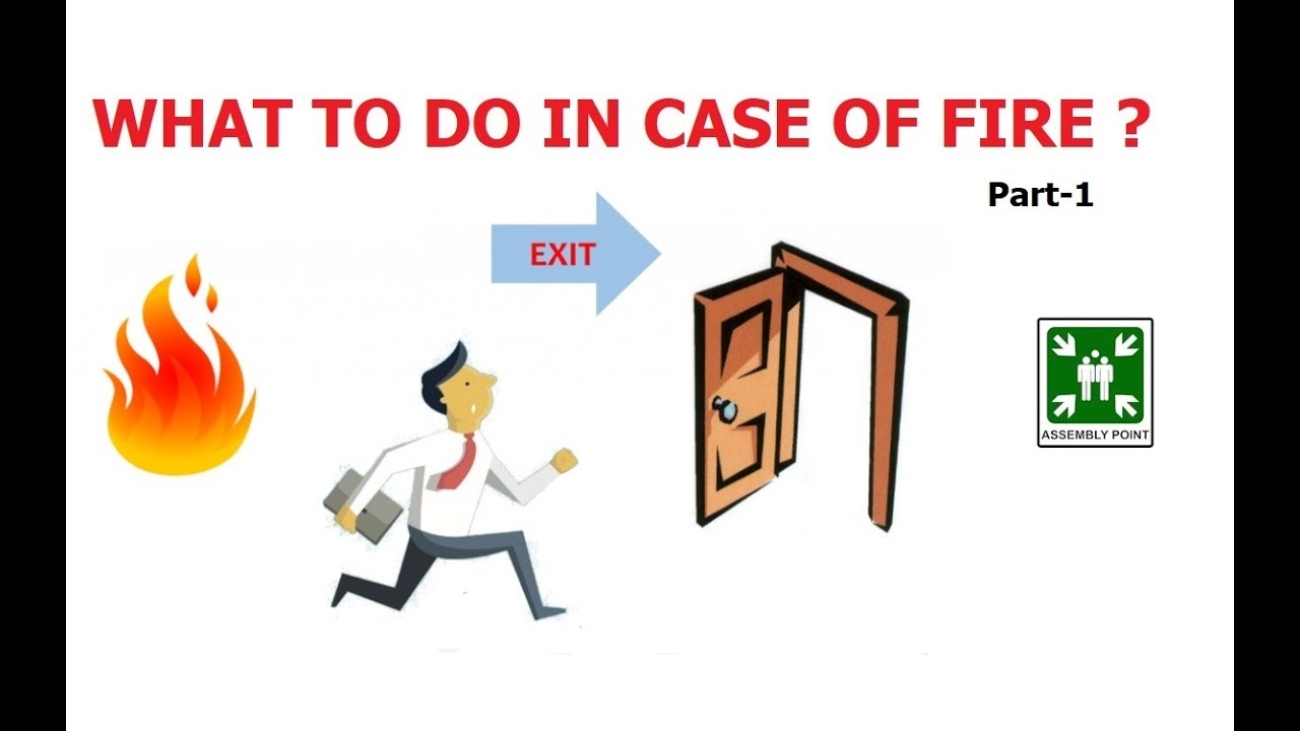
Establish safe assembly points outside the building where employees can gather after evacuating. These locations should be far enough from the building to avoid smoke and flames but close enough for everyone to reach quickly.

  • Communicate Locations: Clearly communicate the designated assembly points to all employees and ensure they know how to get there from various parts of the facility.

4. Assign Roles and Responsibilities

During a fire emergency, knowing who is responsible for what can streamline the evacuation process. Assign specific roles to employees, such as:

  • Fire Wardens: Designate individuals responsible for leading evacuations and ensuring everyone is accounted for at assembly points.
  • Communication Leads: Assign someone to communicate with emergency services and relay information about any individuals who may be unaccounted for.

5. Practice Regularly

Creating a fire escape plan is only effective if everyone knows how to execute it. Conduct regular fire drills to familiarize employees with the escape routes and procedures.

  • Simulate Scenarios: Practice various scenarios during drills, such as blocked exits or assisting individuals with disabilities, to prepare employees for real-life situations.
  • Gather Feedback: After each drill, collect feedback from participants to identify areas for improvement in your escape plan.

6. Review and Update Your Plan

Fire escape plans should not be static documents; they need regular reviews and updates based on changes in your facility or personnel.

  • Schedule Reviews: Set a schedule for reviewing your fire escape plan at least annually or whenever significant changes occur in your facility.
  • Incorporate Changes: Update the plan based on feedback from drills or any new hazards that may arise.

Conclusion

An effective fire escape plan is crucial for ensuring the safety of everyone in your facility during a fire emergency. By assessing risks, developing clear escape routes, designating assembly points, assigning roles, practicing regularly, and reviewing your plan frequently, you can create a robust strategy that enhances safety preparedness.For assistance in developing or improving your fire escape plan, contact Fire Risk Solutions today!

FAQs

  1. Why is it important to have a fire escape plan?
    A fire escape plan ensures that everyone knows how to evacuate safely during an emergency, reducing panic and confusion.
  2. How often should we conduct fire drills?
    It’s recommended to conduct fire drills at least twice a year to keep employees familiar with evacuation procedures.
  3. What should be included in a fire escape plan?
    A comprehensive fire escape plan should include clear escape routes, designated assembly points, assigned roles during an evacuation, and procedures for assisting individuals with disabilities.
  4. How can I ensure that all employees are aware of the escape plan?
    Regular training sessions and clear communication about the plan are essential. Displaying maps of escape routes throughout the facility can also help reinforce awareness.
  5. What should I do if my facility layout changes?
    Any changes in layout should prompt an immediate review and update of your fire escape plan to ensure it remains effective.
Top 5 Fire Safety Systems Every Workplace Should Have

Top 5 Fire Safety Systems Every Workplace Should Have

Fire safety is a critical concern for any workplace, as fire incidents can lead to devastating consequences, including loss of life, injuries, and significant property damage. Implementing effective fire safety systems is essential for protecting employees and ensuring compliance with legal regulations. Here are the top five fire safety systems that every workplace should have to enhance safety and preparedness.

1. Fire Extinguishers

Fire extinguishers are a fundamental component of any fire safety strategy. They provide a first line of defense against small fires, allowing employees to take immediate action before a fire escalates. It’s essential to choose the right type of extinguisher based on the potential fire hazards present in your workplace, such as electrical, flammable liquids, or ordinary combustibles.

  • Maintenance: Ensure that fire extinguishers are regularly inspected and serviced according to local regulations. Employees should also be trained on how to use them effectively.

2. Smoke Alarms/Smoke Detectors

Smoke alarms are crucial for early detection of fires, providing an audible warning that allows occupants to evacuate safely. Every workplace should have smoke detectors installed on every floor and in key areas such as kitchens and storage rooms.

  • Installation and Testing: Proper installation is vital, and regular testing should be conducted to ensure functionality. Cleaning dust from detectors can help maintain their sensitivity.

3. Fire Suppression Systems

Fire suppression systems are designed to automatically detect and extinguish fires using various agents such as water, foam, or dry chemicals. These systems can significantly reduce the spread of fire and minimize damage.

  • Types: Common types include sprinkler systems, which activate when heat is detected, and specialized systems for areas with sensitive equipment, such as data centers.

4. Water Sprinkler System

A well-maintained water sprinkler system is one of the most effective means of controlling fires in their early stages. Sprinklers are strategically placed throughout the building and can automatically release water when a fire is detected.

  • Benefits: This system not only helps extinguish flames but also cools down surrounding areas to prevent fire spread. Regular maintenance checks are necessary to ensure all components are operational.

5. Fire Safety Signs

Clear and visible fire safety signs play a vital role in guiding employees during an emergency. These signs indicate the location of exits, firefighting equipment, and evacuation routes.

  • Types of Signs: Use color-coded signs—green for exits, red for firefighting equipment, and yellow for warning signs—to ensure everyone can quickly understand the information during an emergency.

Conclusion

Implementing these five essential fire safety systems can significantly enhance workplace safety and preparedness. Regular training for employees on how to use these systems effectively and conducting drills will further reinforce a culture of safety within your organization.For more information on installing or maintaining these fire safety systems in your workplace, please contact us at Fire Risk Solutions.

FAQs

  1. Why are fire extinguishers important in the workplace?
    Fire extinguishers provide immediate access to firefighting equipment that can prevent small fires from escalating into larger emergencies.
  2. How often should smoke detectors be tested?
    Smoke detectors should be tested monthly to ensure they are functioning properly and cleaned regularly to remove dust buildup.
  3. What types of fire suppression systems are available?
    There are various types including water-based sprinklers, foam systems for flammable liquids, and gas suppression systems for sensitive areas like server rooms.
  4. How can I ensure my water sprinkler system is effective?
    Regular maintenance checks should be performed to inspect pipes, valves, and sprinkler heads for any obstructions or damage.
  5. What role do fire safety signs play during an emergency?
    Fire safety signs guide occupants safely out of the building by indicating exits and locations of firefighting equipment during an emergency situation.

By prioritizing these fire safety systems, businesses can create a safer working environment that protects both employees and assets from potential fire hazards.