Customized Fire Safety Solutions for the Mining Sector: Best Practices and Strategies

Customized Fire Safety Solutions for the Mining Sector: Best Practices and Strategies

The mining sector is inherently hazardous, with unique challenges that make fire safety a critical concern. The combination of flammable materials, heavy machinery, and confined working environments increases the risk of fire incidents. To mitigate these risks effectively, mining operations require customized fire safety solutions tailored to their specific needs. This blog post will explore best practices and strategies for implementing effective fire safety measures in the mining industry.

Understanding the Risks

Mining environments present various fire hazards, including:

  • Flammable Materials: The presence of combustible dust, fuels, and lubricants can easily ignite under certain conditions.
  • Electrical Equipment: Faulty wiring and overloaded circuits are common causes of fires in mining operations.
  • Hot Work Operations: Activities such as welding and cutting can generate sparks that ignite nearby flammable materials.
  • Confined Spaces: Underground mines have limited escape routes, making it crucial to have effective fire prevention and response strategies in place.

Best Practices for Fire Safety in Mining

  1. Conduct Thorough Risk AssessmentsA comprehensive risk assessment is the foundation of any effective fire safety plan. It involves identifying potential fire hazards specific to the mining site, including equipment, materials, and operational practices. Engaging a fire protection expert can help ensure that no hazards are overlooked.
    • Evaluate Specific Risks: Different types of mines (surface vs. underground) may have varying risks. Tailor assessments to address these differences.
  2. Understand Compliance and Regulatory RequirementsCompliance with local regulations is not only a legal obligation but also a critical aspect of ensuring safety. Familiarize yourself with the health and safety standards that govern fire protection in your jurisdiction.
    • Stay Updated: Regulations can change; regular reviews of compliance requirements ensure that your operations remain within legal boundaries.
  3. Implement Appropriate Fire Protection EquipmentSelecting and installing the right fire protection equipment is vital for effective fire management. Depending on the specific risks identified, this may include:
    • Fire Sprinkler Systems: Essential for controlling fires in areas with high combustible loads.
    • Water Mist Systems: Effective for cooling and suppressing flames without causing water damage.
    • Foam Systems: Particularly useful for flammable liquid fires.
    • Portable Fire Extinguishers: Strategically placed throughout the site for quick access.
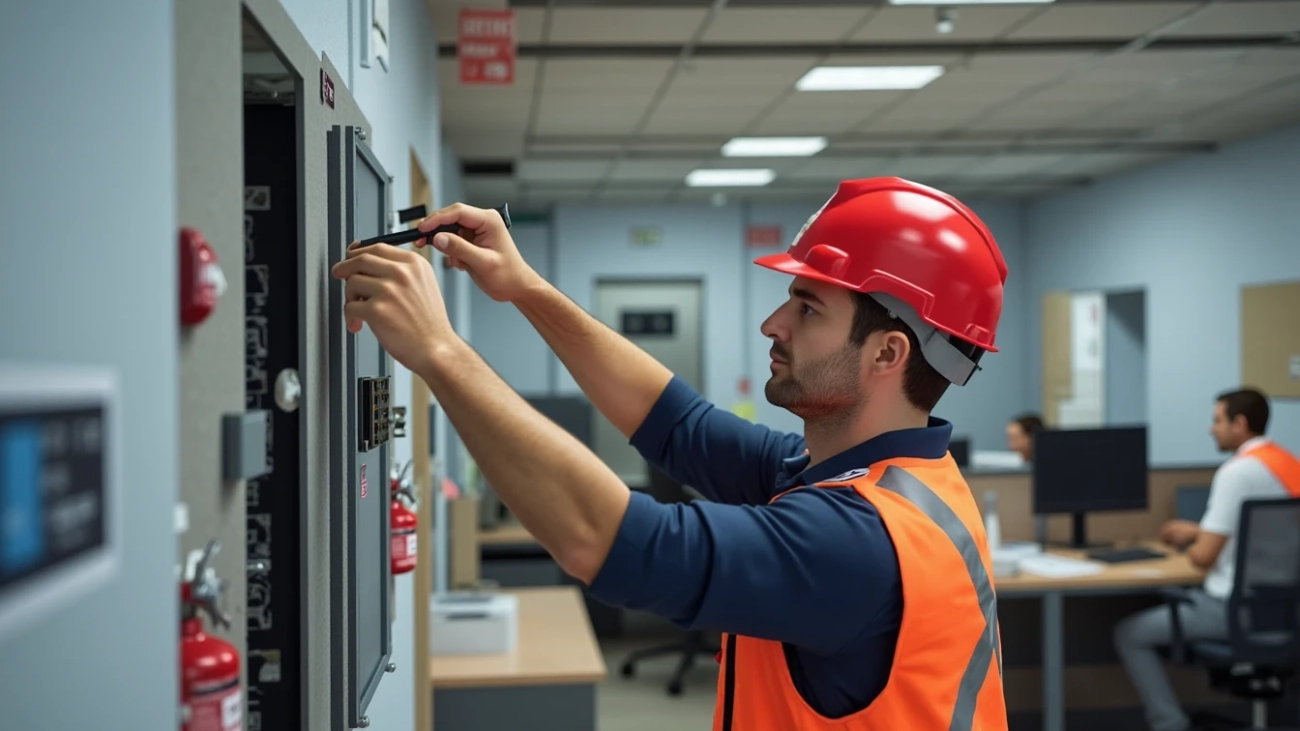
    • Automatic Detection Systems: Utilizing smoke detectors, heat sensors, and gas detection units to provide early warning of potential fires.
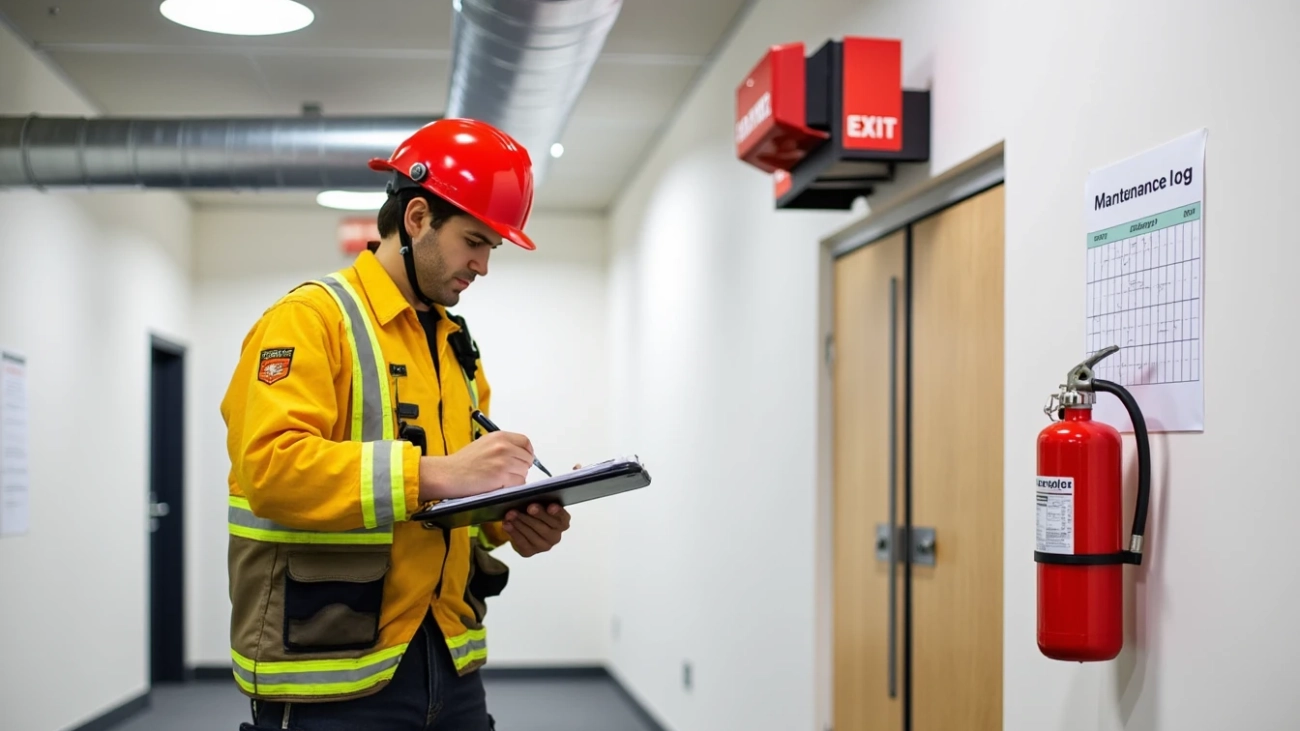
  4. Regular Audits and MaintenanceFire protection equipment must be maintained to ensure its effectiveness. Regular audits help identify any deficiencies or needed repairs.
    • Schedule Inspections: Conduct routine checks on all fire protection systems to ensure they are operational.
    • Maintain Cleanliness: Regularly clean equipment and work areas to minimize dust accumulation that could contribute to fire hazards.
  5. Train Employees on Fire Safety ProtocolsTraining is one of the most critical components of a successful fire safety strategy. Employees should be well-versed in emergency procedures, proper use of firefighting equipment, and evacuation routes.
    • Tailored Training Programs: Develop training sessions specific to the mining environment, focusing on scenarios relevant to your operations.
    • Conduct Drills: Regularly practice evacuation procedures to ensure all personnel know how to respond in an emergency.
  6. Establish Emergency Response PlansHaving a clear emergency response plan is essential for minimizing the impact of a fire incident. This plan should outline roles and responsibilities during an emergency, evacuation routes, and communication protocols.
    • Designate Assembly Points: Identify safe locations where employees can gather after evacuating.
    • Communication Systems: Implement reliable communication tools to ensure coordination during emergencies.

Conclusion

Customized fire safety solutions are essential for mitigating risks in the mining sector. By conducting thorough risk assessments, understanding compliance requirements, implementing appropriate equipment, maintaining regular audits, training employees, and establishing robust emergency response plans, mining operations can significantly enhance their fire safety measures.Investing in these best practices not only protects lives but also ensures operational continuity in an industry where safety is paramount. For expert guidance on developing customized fire safety solutions for your mining operation, contact Fire Risk Solutions today!

FAQs

  1. What are common causes of fires in mines?
    Common causes include electrical faults, hot work operations (like welding), flammable materials mishandling, and spontaneous combustion of materials like coal.
  2. How often should fire safety training be conducted?
    Fire safety training should be conducted at least annually or whenever there are significant changes in personnel or procedures at the mine site.
  3. What types of fire suppression systems are recommended for mining operations?
    Recommended systems include water mist systems, foam suppression systems, automatic sprinkler systems, and portable extinguishers tailored to specific risks.
  4. Why is regular maintenance important for fire protection equipment?
    Regular maintenance ensures that all equipment functions correctly during an emergency; neglected equipment may fail when needed most.
  5. What should be included in an emergency response plan for mines?
    An effective plan should include evacuation routes, designated assembly points, communication protocols, roles during emergencies, and training procedures for all employees.
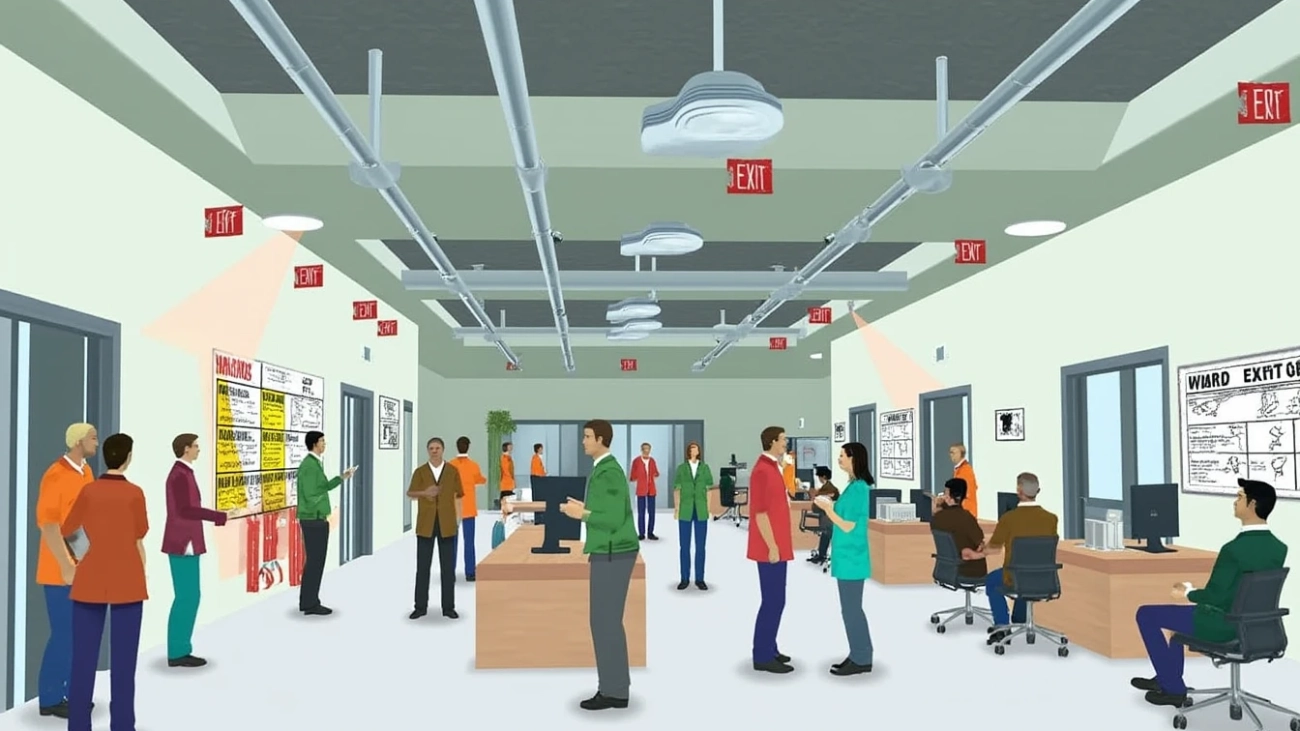
Navigating Health and Safety Compliance: Essential Fire Regulations Explained

Navigating Health and Safety Compliance: Essential Fire Regulations Explained

Ensuring health and safety compliance in commercial buildings is not just a legal obligation; it is crucial for protecting lives and property from the devastating effects of fire. Fire regulations are designed to minimize risks and ensure that safety measures are in place to prevent fire incidents. This blog post will explore essential fire regulations, common violations, and best practices for maintaining compliance.

Understanding Fire Regulations

Fire regulations vary by region but generally encompass guidelines established by national and local authorities. Key organizations involved in setting these standards include:

  • National Fire Protection Association (NFPA): This organization develops codes and standards aimed at reducing the risk of fire and ensuring safety in various environments.
  • Occupational Safety and Health Administration (OSHA): OSHA sets regulations to ensure safe working conditions, including requirements for fire safety measures in workplaces.
  • Local Fire Marshals: Local authorities enforce fire codes specific to their jurisdictions, conducting inspections to ensure compliance.

Essential Fire Regulations

Here are some of the critical fire regulations that businesses must adhere to:

  1. Installation of Fire Alarm Systems: Buildings must have functional fire alarm systems that provide early warning in case of a fire. Regular testing and maintenance of these systems are required to ensure they operate effectively.
  2. Fire Sprinkler Systems: Many commercial buildings are mandated to install automatic sprinkler systems. These systems must be regularly inspected and maintained to ensure they can control or extinguish fires effectively.
  3. Emergency Exits and Lighting: All commercial buildings must have clearly marked emergency exits that are accessible at all times. Emergency lighting should be installed to guide occupants during an evacuation, especially in low-light conditions.
  4. Fire Extinguishers: Adequate numbers of appropriate fire extinguishers must be provided throughout the building, with regular inspections to ensure they are charged and functional.
  5. Regular Fire Safety Inspections: Businesses are required to conduct regular fire safety inspections to identify potential hazards and ensure compliance with fire codes. Documentation of these inspections should be maintained for review by local authorities.

Common Fire Code Violations

Despite the existence of regulations, many businesses fall short in compliance, leading to common violations that can jeopardize safety:

  1. Blocked Emergency Exits: Exit routes must remain clear at all times. Obstructions can prevent occupants from evacuating safely during a fire emergency.
  2. Inadequate Fire Alarm Systems: Outdated or improperly maintained fire alarms can fail to alert occupants in time, increasing the risk of injury or loss.
  3. Improper Storage of Combustible Materials: Flammable materials must be stored correctly away from heat sources to reduce the risk of ignition.
  4. Lack of Fire Safety Training: Employees must receive proper training on fire safety protocols, including evacuation procedures and the use of fire extinguishers.
  5. Defective Electrical Systems: Regular inspections of electrical systems are necessary to prevent overloads that can lead to fires.

Best Practices for Compliance

To navigate health and safety compliance effectively, consider implementing these best practices:

  1. Conduct Regular Training Sessions: Provide ongoing training for employees on fire safety protocols, emergency procedures, and the proper use of firefighting equipment.
  2. Establish a Fire Safety Plan: Develop a comprehensive fire safety plan that outlines evacuation routes, designated assembly points, and roles for employees during emergencies.
  3. Work with Professionals: Consult with fire protection professionals or local fire authorities to ensure your facility meets all regulatory requirements and best practices.
  4. Maintain Documentation: Keep thorough records of all inspections, maintenance activities, and training sessions related to fire safety compliance.
  5. Stay Informed About Changes in Regulations: Regularly review local fire codes and regulations to stay updated on any changes that may affect your business.

Conclusion

Navigating health and safety compliance regarding fire regulations is essential for protecting lives and property within commercial buildings. By understanding the key regulations, recognizing common violations, and implementing best practices for compliance, businesses can create a safer environment for employees and customers alike.For assistance with developing a comprehensive fire safety plan or ensuring compliance with local regulations, contact Fire Risk Solutions today!

FAQs

  1. What are the primary agencies responsible for enforcing fire safety regulations?
    The National Fire Protection Association (NFPA), Occupational Safety and Health Administration (OSHA), and local fire marshals enforce various aspects of fire safety regulations.
  2. How often should fire safety inspections be conducted?
    Inspections should be conducted regularly—at least annually—and more frequently if significant changes occur within the building or its use.
  3. What should I do if I find blocked emergency exits?
    Immediately clear any obstructions from emergency exits and ensure that all staff members are aware of exit routes during emergencies.
  4. Are there specific training requirements for employees regarding fire safety?
    Yes, employees should receive regular training on evacuation procedures, proper use of firefighting equipment, and identifying potential hazards.
  5. How can I stay updated on changes in local fire codes?
    Regularly consult your local fire department or visit their website for updates on regulations applicable to your business or facility.
The Importance of Regular Maintenance for Fire Safety Equipment

The Importance of Regular Maintenance for Fire Safety Equipment

Fire safety equipment is essential for protecting lives and property in the event of a fire. However, simply having this equipment on-site is not enough; regular maintenance is crucial to ensure that all fire safety devices function correctly when needed. In this blog post, we will explore the importance of regular maintenance for fire safety equipment and the potential consequences of neglecting this vital aspect of fire safety.

Why Regular Maintenance Matters

  1. Ensures Functionality
    Fire safety equipment, such as extinguishers, alarms, and sprinkler systems, must be in optimal working condition to be effective. Regular maintenance checks help identify any issues that could prevent the equipment from functioning properly during an emergency. For example, a fire extinguisher that has not been inspected may be empty or damaged, rendering it useless when needed most.
  2. Compliance with Regulations
    Most jurisdictions have strict regulations governing fire safety equipment maintenance. Regular inspections and servicing are often required by law to ensure compliance with local fire codes. Failure to adhere to these regulations can result in penalties, fines, or even legal action in the event of a fire incident.
  3. Reduces Liability Risks
    Businesses have a legal and ethical responsibility to provide a safe working environment for their employees and visitors. Neglecting fire safety equipment maintenance can lead to increased liability risks if an incident occurs due to faulty equipment. Regular maintenance demonstrates due diligence and commitment to safety, which can be crucial in defending against liability claims.
  4. Increases Lifespan of Equipment
    Regular maintenance helps extend the lifespan of fire safety equipment. Just like any other mechanical device, fire safety systems require care and attention to function effectively over time. Routine checks can identify wear and tear early on, allowing for repairs or replacements before they become critical issues.
  5. Enhances Employee Confidence
    When employees know that fire safety equipment is regularly maintained and operational, it fosters a culture of safety within the workplace. This confidence can lead to more proactive engagement with fire safety protocols and emergency procedures, ultimately contributing to a safer work environment.

Key Maintenance Practices

To ensure your fire safety equipment remains effective, consider implementing the following maintenance practices:

  • Regular Inspections: Schedule routine inspections for all fire safety equipment according to manufacturer recommendations and local regulations.
  • Service Fire Extinguishers: Fire extinguishers should be inspected monthly and serviced annually by a qualified technician to ensure they are fully charged and operational.
  • Test Smoke Alarms: Smoke detectors should be tested monthly, with batteries replaced at least once a year or as needed.
  • Check Sprinkler Systems: Sprinkler systems require regular testing to ensure that they activate properly in case of a fire. This includes checking water flow and pressure.
  • Maintain Emergency Lighting: Emergency lighting systems should be tested regularly to ensure they illuminate exit routes during power failures or emergencies.

Conclusion

Regular maintenance of fire safety equipment is not just a best practice; it is a vital component of any comprehensive fire safety strategy. By ensuring that all devices are functioning correctly, businesses can protect lives, comply with regulations, reduce liability risks, and foster a culture of safety among employees.If you need assistance with your fire safety equipment maintenance or would like to schedule an inspection, contact us at Fire Risk Solutions today!

FAQs

  1. How often should I inspect my fire extinguishers?
    Fire extinguishers should be visually inspected monthly and serviced by a professional at least once a year.
  2. What are the signs that my smoke alarm needs maintenance?
    If your smoke alarm chirps intermittently or fails to respond during testing, it may need new batteries or replacement.
  3. Are there specific regulations for maintaining fire safety equipment?
    Yes, local fire codes typically outline specific maintenance requirements for various types of fire safety equipment.
  4. Can I perform maintenance on my fire safety equipment myself?
    While some basic checks can be done by staff (like checking pressure gauges), professional servicing is recommended for most equipment.
  5. What should I do if I find damaged or expired fire safety equipment?
    Replace any damaged or expired equipment immediately and notify your supervisor or designated safety officer.

By prioritizing regular maintenance for your fire safety equipment, you can significantly enhance your workplace’s overall safety and preparedness in case of an emergency.

Understanding Fire Risk Assessments: A Comprehensive Guide for Businesses

Understanding Fire Risk Assessments: A Comprehensive Guide for Businesses | Fire Risk Assessment

Fire risk assessments are a crucial aspect of maintaining safety in any business environment. They not only protect lives but also safeguard property and ensure compliance with legal requirements. This comprehensive guide will walk you through the essentials of fire risk assessments, including their importance, the assessment process, and frequently asked questions.