
Fire safety equipment is essential for protecting lives and property in the event of a fire. However, simply having this equipment on-site is not enough; regular maintenance is crucial to ensure that all fire safety devices function correctly when needed. In this blog post, we will explore the importance of regular maintenance for fire safety equipment and the potential consequences of neglecting this vital aspect of fire safety.
Why Regular Maintenance Matters
- Ensures Functionality
Fire safety equipment, such as extinguishers, alarms, and sprinkler systems, must be in optimal working condition to be effective. Regular maintenance checks help identify any issues that could prevent the equipment from functioning properly during an emergency. For example, a fire extinguisher that has not been inspected may be empty or damaged, rendering it useless when needed most. - Compliance with Regulations
Most jurisdictions have strict regulations governing fire safety equipment maintenance. Regular inspections and servicing are often required by law to ensure compliance with local fire codes. Failure to adhere to these regulations can result in penalties, fines, or even legal action in the event of a fire incident. - Reduces Liability Risks
Businesses have a legal and ethical responsibility to provide a safe working environment for their employees and visitors. Neglecting fire safety equipment maintenance can lead to increased liability risks if an incident occurs due to faulty equipment. Regular maintenance demonstrates due diligence and commitment to safety, which can be crucial in defending against liability claims. - Increases Lifespan of Equipment
Regular maintenance helps extend the lifespan of fire safety equipment. Just like any other mechanical device, fire safety systems require care and attention to function effectively over time. Routine checks can identify wear and tear early on, allowing for repairs or replacements before they become critical issues. - Enhances Employee Confidence
When employees know that fire safety equipment is regularly maintained and operational, it fosters a culture of safety within the workplace. This confidence can lead to more proactive engagement with fire safety protocols and emergency procedures, ultimately contributing to a safer work environment.
Key Maintenance Practices
To ensure your fire safety equipment remains effective, consider implementing the following maintenance practices:
- Regular Inspections: Schedule routine inspections for all fire safety equipment according to manufacturer recommendations and local regulations.
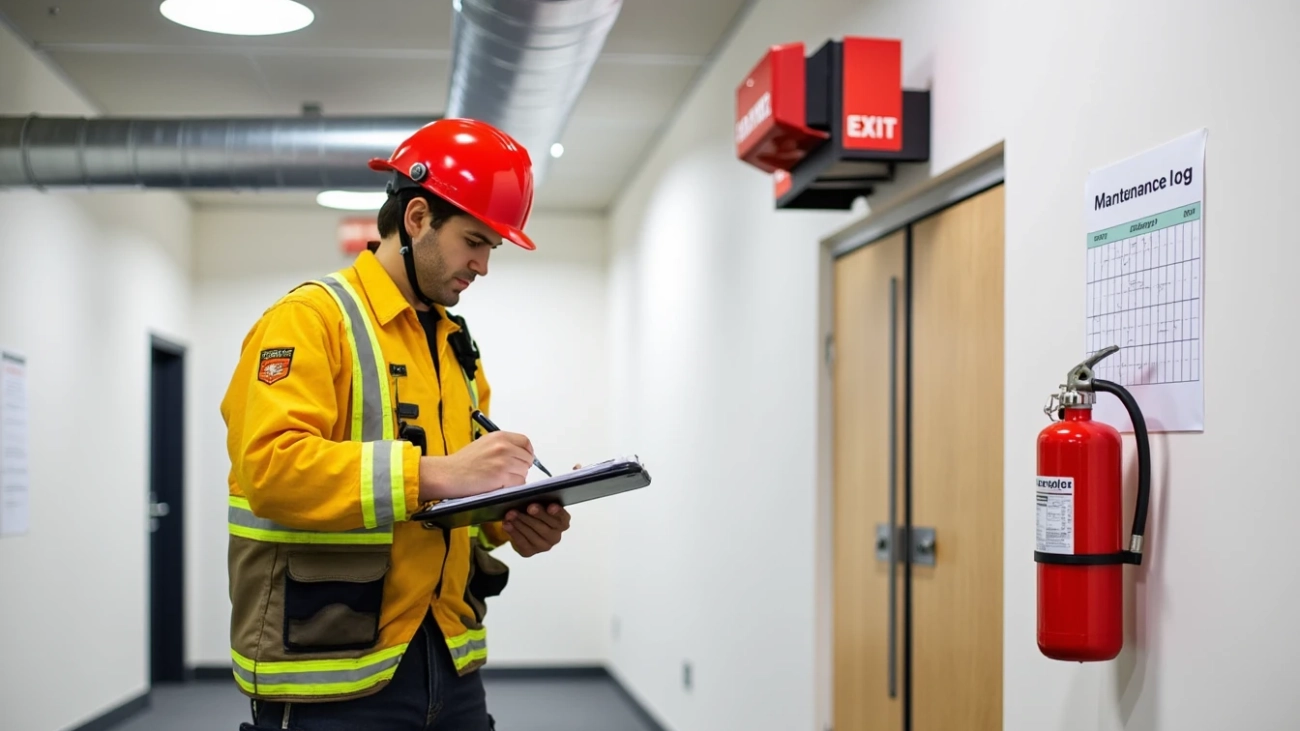
- Service Fire Extinguishers: Fire extinguishers should be inspected monthly and serviced annually by a qualified technician to ensure they are fully charged and operational.
- Test Smoke Alarms: Smoke detectors should be tested monthly, with batteries replaced at least once a year or as needed.
- Check Sprinkler Systems: Sprinkler systems require regular testing to ensure that they activate properly in case of a fire. This includes checking water flow and pressure.
- Maintain Emergency Lighting: Emergency lighting systems should be tested regularly to ensure they illuminate exit routes during power failures or emergencies.
Conclusion
Regular maintenance of fire safety equipment is not just a best practice; it is a vital component of any comprehensive fire safety strategy. By ensuring that all devices are functioning correctly, businesses can protect lives, comply with regulations, reduce liability risks, and foster a culture of safety among employees.If you need assistance with your fire safety equipment maintenance or would like to schedule an inspection, contact us at Fire Risk Solutions today!
FAQs
- How often should I inspect my fire extinguishers?
Fire extinguishers should be visually inspected monthly and serviced by a professional at least once a year. - What are the signs that my smoke alarm needs maintenance?
If your smoke alarm chirps intermittently or fails to respond during testing, it may need new batteries or replacement. - Are there specific regulations for maintaining fire safety equipment?
Yes, local fire codes typically outline specific maintenance requirements for various types of fire safety equipment. - Can I perform maintenance on my fire safety equipment myself?
While some basic checks can be done by staff (like checking pressure gauges), professional servicing is recommended for most equipment. - What should I do if I find damaged or expired fire safety equipment?
Replace any damaged or expired equipment immediately and notify your supervisor or designated safety officer.
By prioritizing regular maintenance for your fire safety equipment, you can significantly enhance your workplace’s overall safety and preparedness in case of an emergency.